
![هل يتحول تصميم AirPods بالكاميرات من نكتة لأيقونة؟ [تحليل]](https://hcouchd.com/wp-content/uploads/2026/08/file_0000000041d88230aa3a1289b00f19f3-1024x576.webp)
A familiar look always changes the tech game. Any new AirPods design sparks widespread controversy among users. We quickly judge strange shapes before understanding their true function. We naturally fear what we do not immediately understand.
I fell into this trap repeatedly during my UI design career. I once mocked a new app interface pitched by a colleague. It looked completely bizarre and entirely illogical to me at first. First impressions often deceive us in the design world. After a week of field testing, I discovered users absolutely loved it. The interface cleverly solved a frustratingly slow browsing problem. True usability always reveals itself over time. That experience completely changed how I evaluate every new visual innovation.
- Why Did the AirPods Design Turn From Mockery to Icon?
- How Will the AirPods Design With Cameras Work?
- Why Might the AirPods Design With Cameras Fail This Time?
- Lessons From Apple Design: When Does a Joke Become an Icon?
-
Save 5 Hours of Work: How to Evaluate UI Success Before Launch?
-
Frequently Asked Questions
- What Is the New AirPods Design With Cameras?
- Will the Price Rise With the Upcoming AirPods Design Change?
- What Is the Difference Between the Camera Design and Current Pro?
- How Will Cameras Be Used Practically in the New AirPods Design?
- Is the AirPods Design With Cameras Safe and Respectful of Privacy?
-
Frequently Asked Questions
- Summary of the Experience
Why Did the AirPods Design Turn From Mockery to Icon?
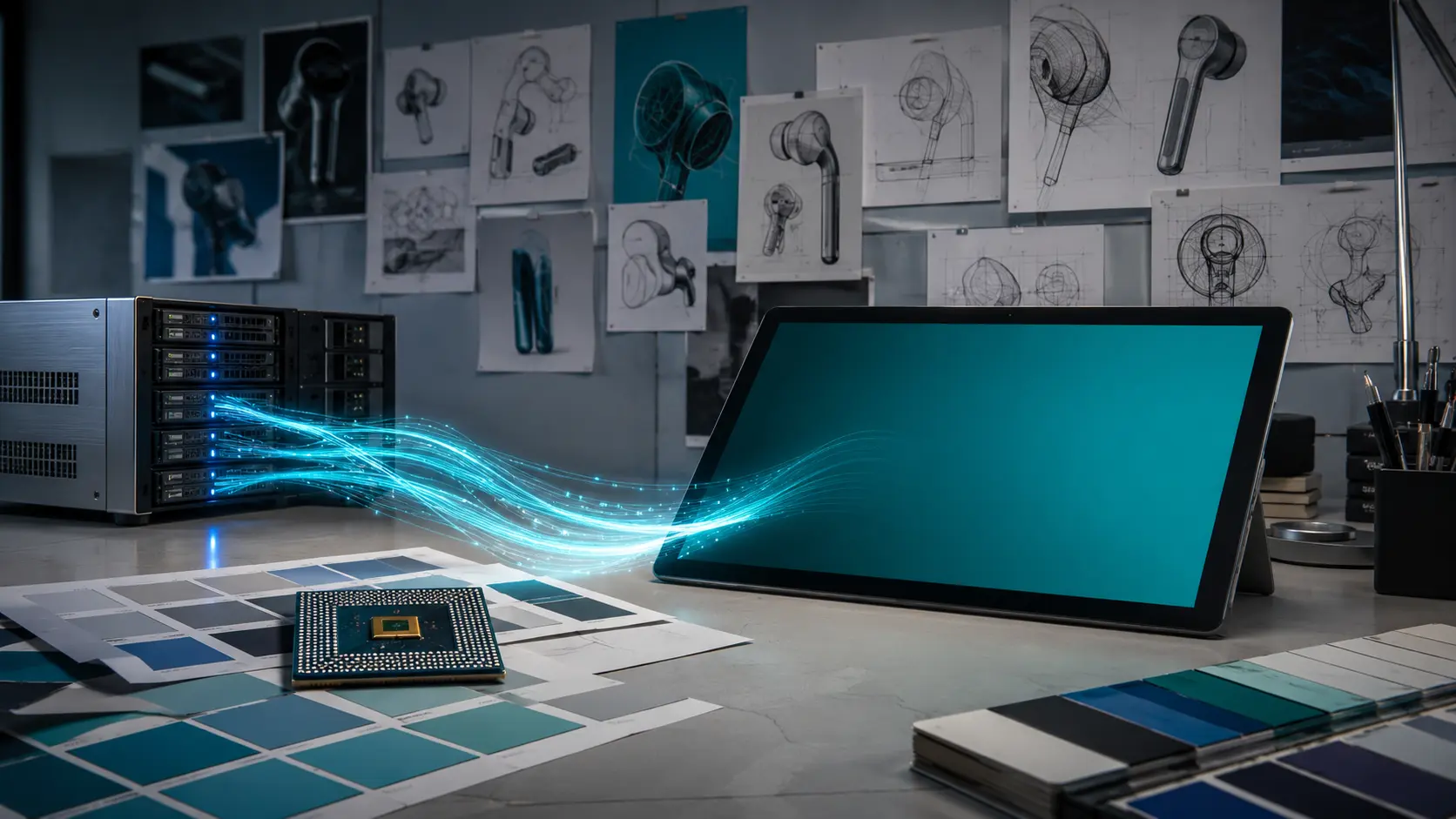
When the earbuds first launched in 2016, they faced massive mockery. Some people compared them to chopped-off cotton swabs. However, this initial impression changed completely over time. The product transformed from a laughingstock into a major status symbol.
Practical Reasons People Love AirPods
The main reason for this shift was solving real daily problems. The earbuds offer incredibly fast pairing with iPhones. Music automatically pauses the moment you remove an earbud. These tiny details eliminated tangled wire annoyances forever. Seamless integration makes the technology feel completely invisible. In my digital product work, I always notice the importance of User Experience. Ease of use always overcomes the initial visual shock. Users simply want their devices to work effortlessly.
Cultural Impact: From Celebrities to Wealth Symbol
Indirect marketing played a crucial role in reshaping public perception. Celebrities like Diana Ross wore them at public events. Mocking tweets turned into viral memes across social platforms. The earbud became a clear sign of owning a modern smartphone. Owning them signaled that you were part of the ecosystem. You can notice this shift when evaluating designer career paths. A product’s cultural value builds only after proving its functional efficiency. Status symbols often start as controversial tech gadgets.
Comparison With Apple Watch: Same Path From Mockery to Success
The Apple Watch went through the exact same journey initially. Critics thought the small screen made calling absolutely ridiculous. Initial skepticism is completely normal for groundbreaking hardware. Apple shifted its strategic focus toward fitness and health tracking. Pivoting to health tracking was a masterstroke of product strategy. The product successfully outsold the entire Swiss watch industry by 2019. This success leads us directly to the next smart earbud change.
How Will the AirPods Design With Cameras Work?
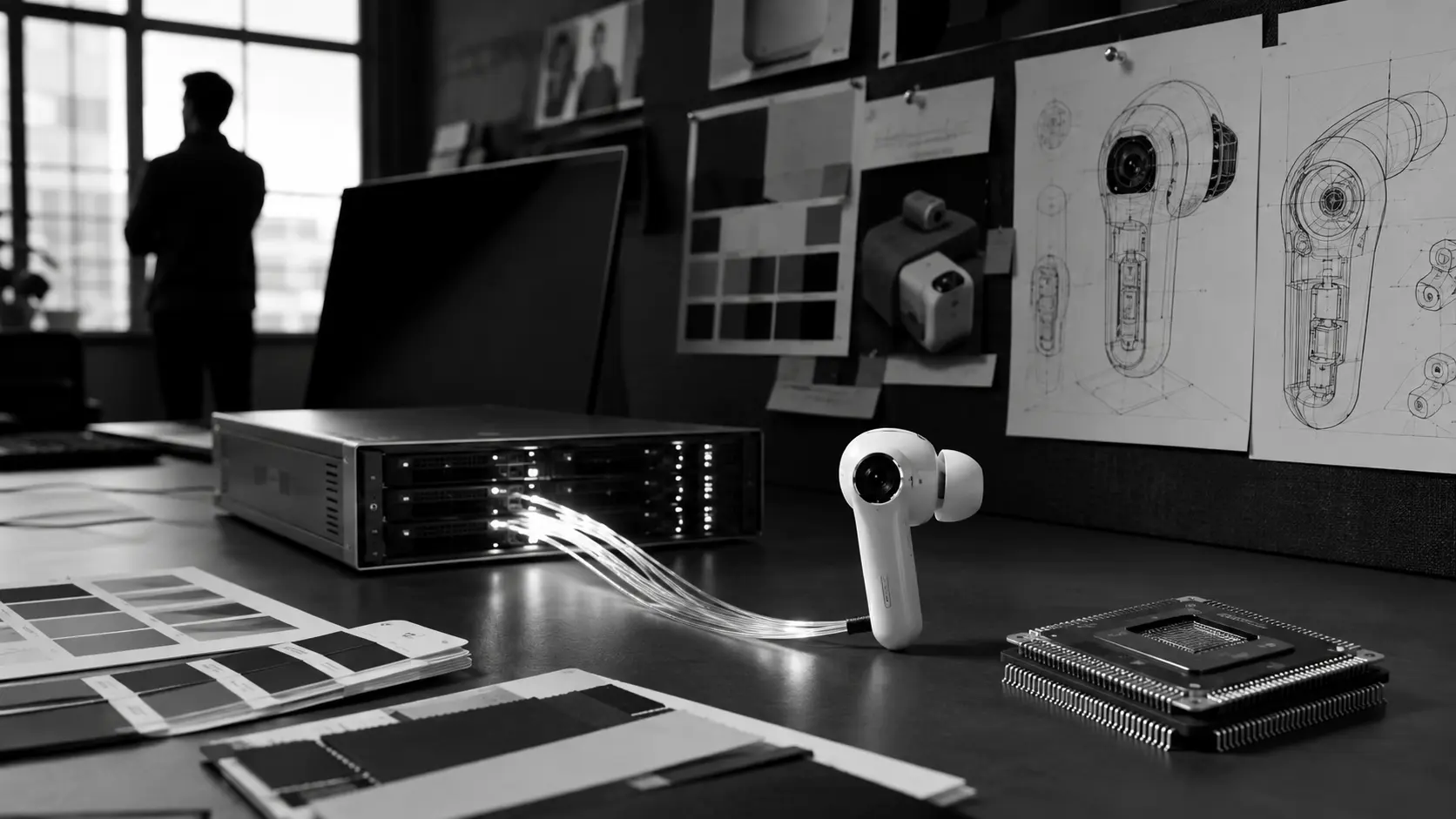
Apple is moving toward integrating advanced optical sensors inside the earbud. The goal is not taking selfies but supporting Artificial Intelligence. Contextual awareness is the next frontier for personal assistants. Visual data provides a richer understanding of user intent.
Expected Design: Low-Resolution Cameras in the Stems
Reports suggest integrating tiny, low-resolution cameras into the earbud stems. This update will require slightly longer stems than current AirPods Pro. Hardware constraints always dictate the final physical form factor. The body will also include a small LED privacy indicator. Balancing aesthetics with new sensors is a tough engineering challenge. The indicator lights up immediately when visual data collection starts.
Use Cases: How Cameras Change Your Siri Interaction
The cameras will act as eyes for the voice assistant. You can look at kitchen ingredients and request a suitable recipe. You can navigate streets using directions based on visible landmarks. You can also read posters and add events to your calendar. Hands-free interaction will become the default mode for many tasks. User behavior studies, noted in this AirPods social effect analysis, show functional value beats shape concerns. Contextual computing relies heavily on environmental awareness.
Privacy Concerns: Is an LED Enough to Reassure Users?
An optical sensor near the ear causes significant user anxiety. A recent poll showed 88% of participants reject this idea. The small light indicator might not be visible to bystanders. This makes privacy the biggest hurdle for the new feature. Public spaces require a new social contract for wearable tech. But the biggest challenge goes beyond just privacy issues alone. Trust is incredibly hard to build and very easy to lose.
Why Might the AirPods Design With Cameras Fail This Time?
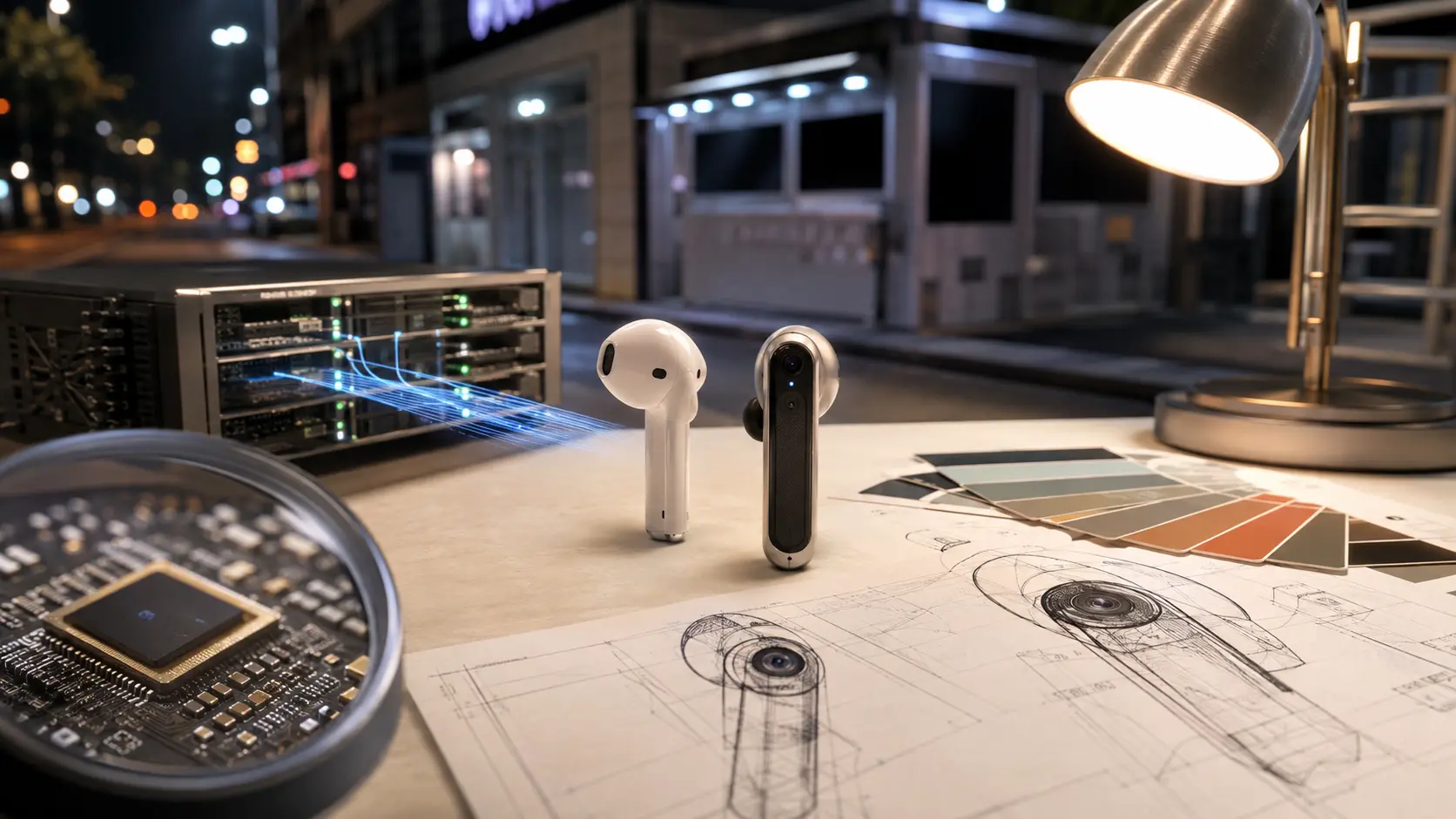
Current objections differ radically from early version criticisms. Fears this time involve ethics and society, not just looks.
Ethical Criticisms: Not Just a Joke About the Shape
People used to mock the white look and cut wires. Today, the fear involves secretly recording others in public spaces. People refuse to stand near a device constantly recording its surroundings. Surveillance fatigue is a very real concern for modern consumers. This shift requires building a completely new level of community trust. We must balance innovation with fundamental human rights.
Technical Challenges: How Does the Camera Know What You See?
Stem cameras struggle to accurately determine your exact line of sight. A side-facing camera cannot see what your eye is focusing on. Computer vision algorithms need clear, unobstructed lines of sight. Long hair might completely cover the camera lens during movement. This makes processing visual data highly complex from a technical standpoint. Edge processing will be crucial to protect user data.
Comparison With Failed Products: Lessons From Magic Mouse and Vision Pro
Not every weird Apple product ultimately succeeds in the market. The Magic Mouse remains a joke due to its bottom charging port. Form should never completely compromise core functionality. I still wonder how developers approved charging it like an upside-down turtle. The Vision Pro failed to achieve widespread adoption despite its technical power. User frustration can quickly kill even the most advanced tech. Apple shipped only 45,000 units in the final quarter of 2025. This comparison clearly shows us the true standards for commercial success.
Lessons From Apple Design: When Does a Joke Become an Icon?

Any innovation’s fate depends on the practical value it delivers users. Success requires overcoming the hurdle of a negative first impression. Iterative design is the cornerstone of long-term product success.
The Basic Condition: Solving a Real Problem Better Than Alternatives
Products succeed when they tangibly save time and physical effort. AirPods brilliantly eliminated the complex tangle of wired earphones. The Apple Watch made health tracking and exercise highly effective. Without solving a real problem, a product remains just a weird idea. Listening to the community is just as important as engineering.
Adapting to Criticism: How Does Apple Respond to Users?
The company listens to user feedback and modifies products quickly. They added GPS tracking and water resistance to the watch later. They might adjust the camera design to be more privacy-friendly. Development flexibility is the true secret behind long-term market survival.
2027 Expectations: Will AirPods With Cameras Succeed?
The camera-equipped earbuds launch might delay until late 2027. Success requires delivering an experience faster than unlocking a phone screen. The market is ready for seamless augmented reality experiences. If Apple simplifies daily interaction, cameras will become a new standard. Frictionless interactions will define the next generation of wearables.
Save 5 Hours of Work: How to Evaluate UI Success Before Launch?
In one managed project, a client strongly objected to our main menu design. The team felt the new design was weird and would repel users. I decided to rely on usability testing in a real environment. We used Figma to build a quick interactive prototype in just two hours. Results showed users reached their services 40% faster than the old design. The client immediately accepted the clear numerical data over personal opinions. Data-driven decisions always beat subjective design opinions. Rapid prototyping saves countless hours of development rework. The biggest lesson is never measuring design success by initial visual shock. Familiar looks feel comfortable, but practical efficiency makes users stick around.
Frequently Asked Questions
What Is the New AirPods Design With Cameras?
Reports indicate Apple is working on a new design for late 2027. The design includes small, low-resolution cameras built directly into the stems. These cameras act as eyes for Siri to provide visual context.
Will the Price Rise With the Upcoming AirPods Design Change?
Current leaks and reports have not revealed exact costs for this version. Available information focuses mainly on technical challenges and privacy concerns right now. There are no official confirmations regarding the final product pricing yet.
What Is the Difference Between the Camera Design and Current Pro?
The new design resembles current AirPods Pro but with slightly longer stems. The extra stem length provides enough space to integrate optical sensors. It also features a warning light indicator during visual data collection.
How Will Cameras Be Used Practically in the New AirPods Design?
The design allows using Siri without ever looking at your phone screen. You can look at kitchen ingredients and ask Siri for possible recipes. The cameras also provide precise navigation directions based on real landmarks.
Is the AirPods Design With Cameras Safe and Respectful of Privacy?
Privacy is the biggest challenge and the main source of user anxiety. The proposed design includes a small light indicator during data collection. Experts warn this near-ear indicator might not be clearly visible to others.
Summary of the Experience
Great products always overcome initial visual shock to deliver superior practical solutions. Apple’s future success depends on making cameras a truly helpful tool. They must avoid turning the device into a mere privacy nightmare. The line between creepy and convenient is very thin. Only time will tell if this bold experiment pays off. Would you agree to wear an earbud constantly recording your visual surroundings?
Discover more from أشكوش ديجيتال
Subscribe to get the latest posts sent to your email.
![3 مراحل لتأسيس الهوية البصرية من استراتيجية العلامة [دليل]](https://hcouchd.com/wp-content/uploads/2026/08/file_0000000023d8822f8e619d5632f35c74-1024x576.webp)
![أفضل خطوط PowerPoint لتصميم عروض تقديمية احترافية [60 خط]](https://hcouchd.com/wp-content/uploads/2026/08/file_000000008b6481fd91951ad979a42aab-1024x576.webp)
![فخ المسار المهني للمصمم وكيف تكتشف مستواك الحقيقي [تقييم]](https://hcouchd.com/wp-content/uploads/2026/08/file_00000000e36081fd9b5b4daaa467d024-1024x576.webp)