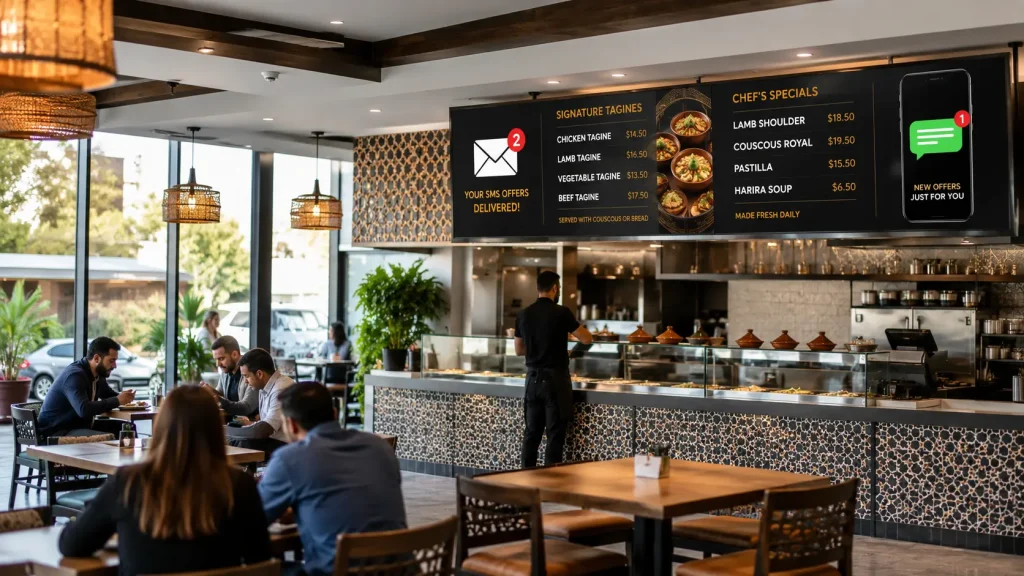
SMS marketing for restaurants is not just an extra marketing channel. It is the only channel that catches the customer at the moment of decision. The customer decides what to eat in minutes. Your message either reaches them in that moment or it gets lost.
A client owned three restaurant branches in Casablanca. He called me on a Friday at 11 AM. He said reservations at the new branch were nearly zero. He had lost the last two full weeks.
I was responsible for his digital campaign. I relied only on email and ads. The problem was my messages arrived hours after the lunch decision. I felt like I was running in place.
That night I sat down to review everything. I noticed most delivery orders came directly by phone. I decided to try text messages instead of email.
I opened Omnisend and set up an automated campaign. It sent the lunch offer between 10:30 AM and 11:00 AM. The result? 47 reservations in just the first two days. The open rate reached 95%.
That is when I realized timing matters more than content. A simple message at the right time beats the most beautiful design at the wrong time.
- Why SMS Marketing for Restaurants Is the Best Choice to Boost Sales
- The Essential Steps to Build a Reliable Subscriber Database
- Designing Attractive and Persuasive SMS Messages for Restaurants
- Automating SMS Campaigns for Restaurants: From Booking to Reminders
- Limited-Time Offer Strategies to Boost Orders During Slow Periods
- Analyzing SMS Campaign Results and Identifying Key Performance Indicators
-
What I Learned from 12 Months of SMS Campaigns for Restaurants
-
Frequently Asked Questions
- What is SMS marketing for restaurants and how does it work?
- How much does text message marketing for restaurants cost?
- What is the difference between SMS marketing for restaurants and email marketing?
- How do I start SMS marketing for restaurants professionally?
- Is text message marketing for restaurants safe and compliant with regulations?
-
Frequently Asked Questions
- Summary of the Experience
Why SMS Marketing for Restaurants Is the Best Choice to Boost Sales
Text messages reach the customer instantly. This immediacy makes a huge difference in the restaurant industry. The customer decides to order food in minutes.
With the Casablanca client, I noticed email arrived too late. The text message arrived at the decision moment. This single advantage justifies the investment.
Open and Read Rates Compared to Email
Text messages achieve an open rate of up to 98%. Email has an open rate of only 28.6%. The gap is massive and undeniable.
This does not mean every opened message turns into an order. Content and call to action remain essential. But you at least guarantee your message is seen.
Use this number as a benchmark. Set realistic open goals based on it. Compare your campaign performance over time using this standard.
Real-Time Timing and Its Effect on Last-Minute Orders
Most messages are read within three minutes of delivery. This is perfect for limited-time offers and daily specials in restaurants.
The customer scrolls their phone during a lunch break. They see your message. They decide to order immediately. This cycle takes no more than five minutes.
Email does not offer this speed. The customer might open their inbox two hours later. By then they have already eaten somewhere else.
Cost and Return on Investment for SMS Campaigns
The cost per message is low compared to the return. A simple calculation shows this. Imagine sending 500 messages at a cost of $50.
If only 10% convert into orders, that means 50 orders. At an average of $12 per order, the revenue is $600. A clear return on investment.
But these numbers do not happen without a proper database. This leads us to the next step in building a reliable subscriber list.
The Essential Steps to Build a Reliable Subscriber Database
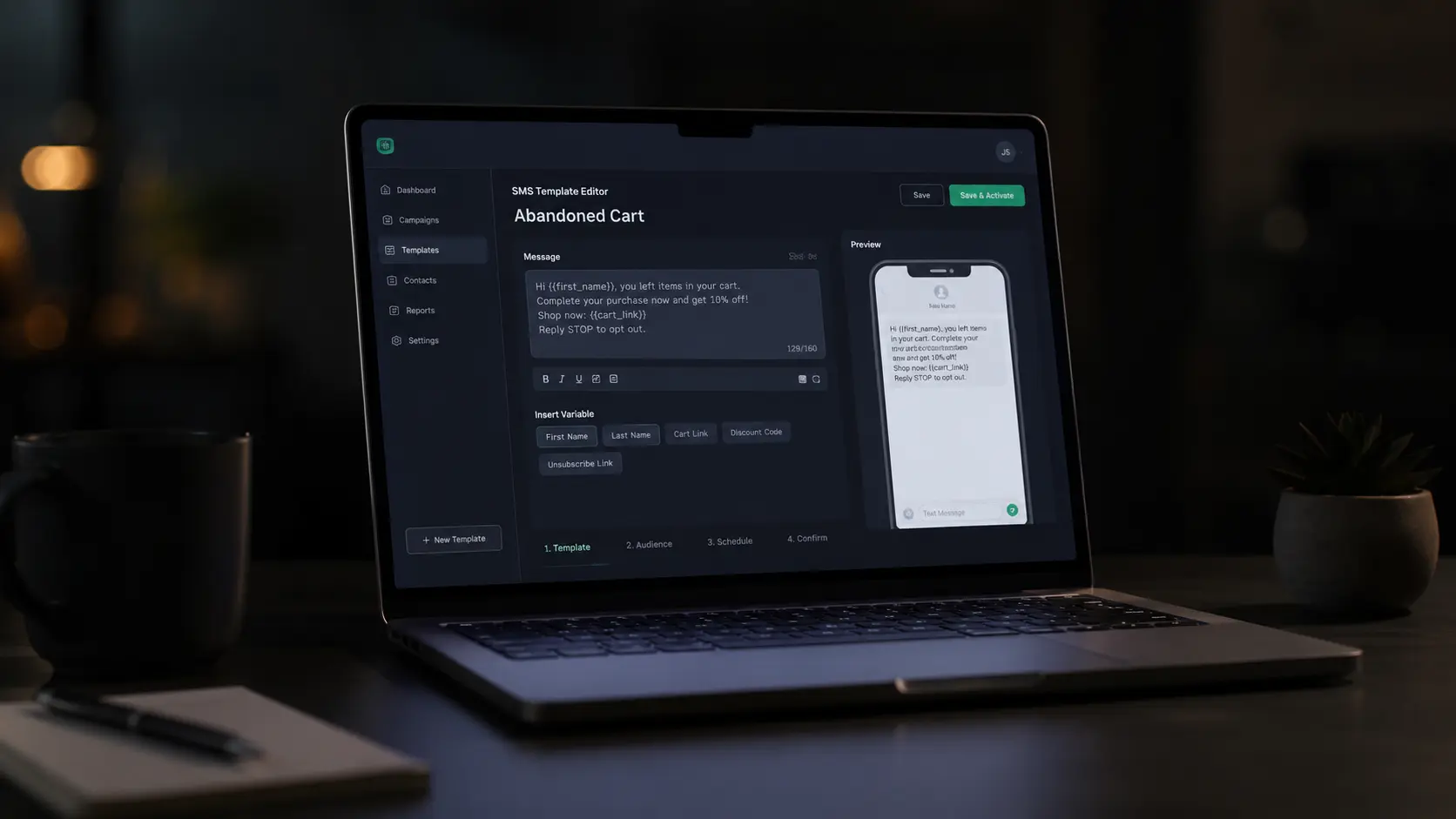
The database is the foundation of everything. Without real numbers and explicit consent, your entire campaign is wasted. Start from the data collection point.
With one client, we built the list from scratch. Within two months we reached 1,200 opted-in subscribers. The secret was smart collection points.
Ways to Collect Numbers In-Store and Online
In the restaurant, place a QR code on the table. It directs the customer to a simple form. They leave their number in exchange for a 10% discount on the bill.
The online booking form is another great spot. Add a checkbox for receiving offers. Make it optional but clear.
Loyalty programs are the strongest source. The customer registers their number once. After that, rewards and offers reach them automatically via messages.
Double Opt-In Confirmation and TCPA Compliance
Sending a confirmation message is an essential step. The customer enters their number then receives a message. They reply with YES to confirm the subscription.
This protects you legally and improves list quality. Wrong and spam numbers are automatically filtered out. You are left with real and interested numbers.
Complying with laws like TCPA is not optional. Every message must include an opt-out option. Replying with STOP is sufficient.
Segment the List by Behavior and Location
Do not send the same message to everyone. Divide your list into segments. Lunch customers, frequent visitors, new customers.
With the Casablanca client, we divided the list by geographic area. Customers near the new branch received special offers for it. The result was precise and effective.
Segmentation improves conversion rates and reduces unsubscribes. But it needs well-written messages. That is what we cover in the next section.
Designing Attractive and Persuasive SMS Messages for Restaurants
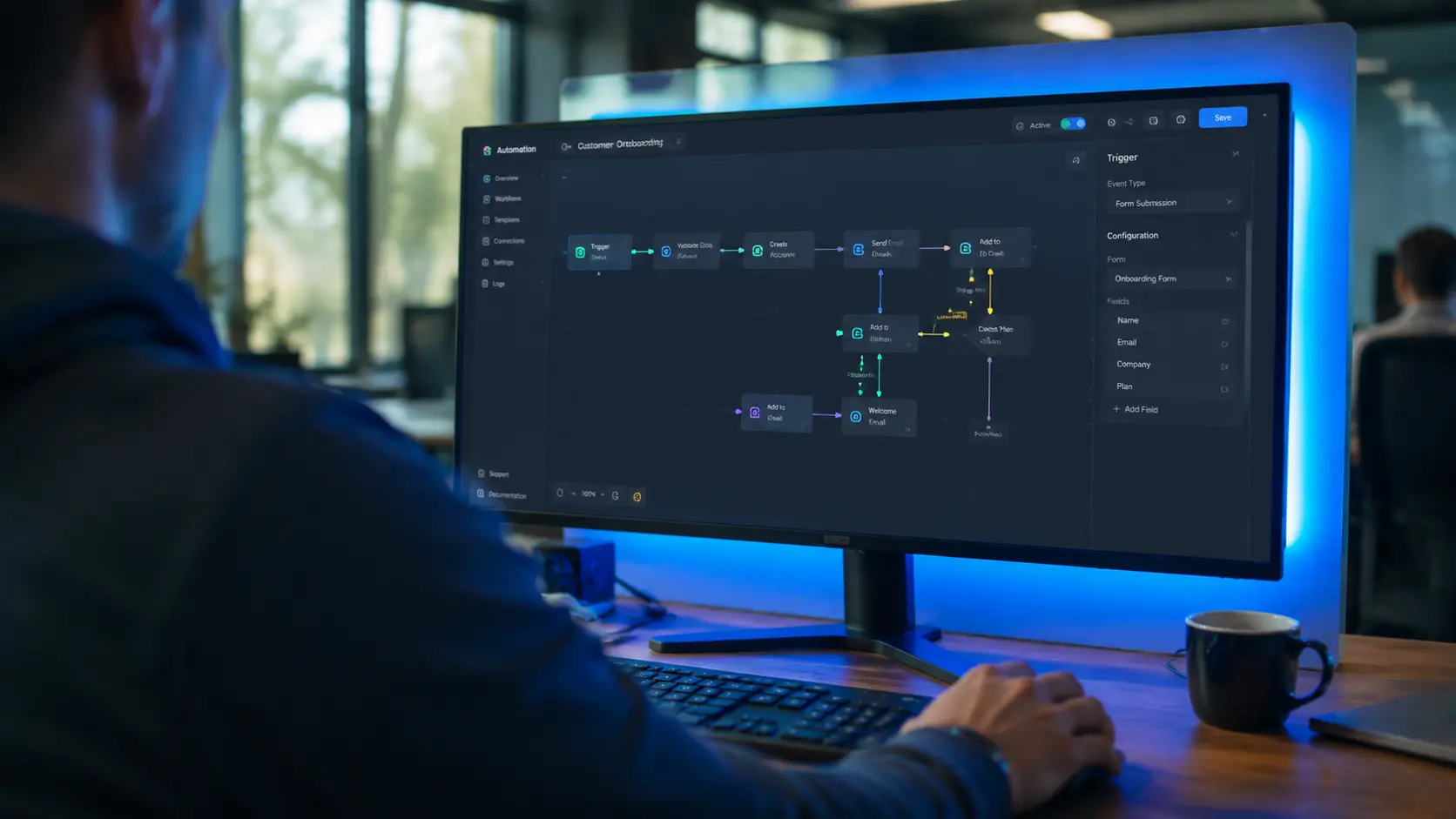
The text message has limited space. Only 160 characters. Every character must serve one goal: motivating the customer to act.
I have seen restaurant messages full of filler words. The restaurant name repeated three times. A long link. No clear call to action. These messages waste money.
The 160-Character Limit and Using a Clear CTA
Write a message of only two lines. The first line: the offer. The second line: the link. That is all you need.
A good example: “20% off all pizzas today from 12–3 PM. Order now: [link]”. Clear, short, and immediately actionable.
Avoid long sentences and extra details. The customer does not want to read a paragraph. They want to know the offer and tap the link.
Using Emojis and Limited-Time Offers
Emojis increase the click-through rate. Use only one or two. 🍕 or 🎉 is enough. Do not fill the message with emojis.
Limited-time offers create a sense of urgency. “Today only” or “Within two hours” pushes the customer to make a quick decision.
With the Casablanca client campaign, we used “Today only” in every message. The conversion rate increased noticeably compared to open-ended offers.
Personalizing the Message with Name or Birthday
Mentioning the customer’s name in the message increases the open rate. “Hi Sam” is better than “Special offer”. Simplicity makes the difference.
Birthday messages are very powerful. “Happy birthday! Free dessert this week”. The customer feels valued and visits the restaurant.
Personalization needs automation. You cannot send 200 messages manually. This leads us to the topic of automation in the next section.
Automating SMS Campaigns for Restaurants: From Booking to Reminders
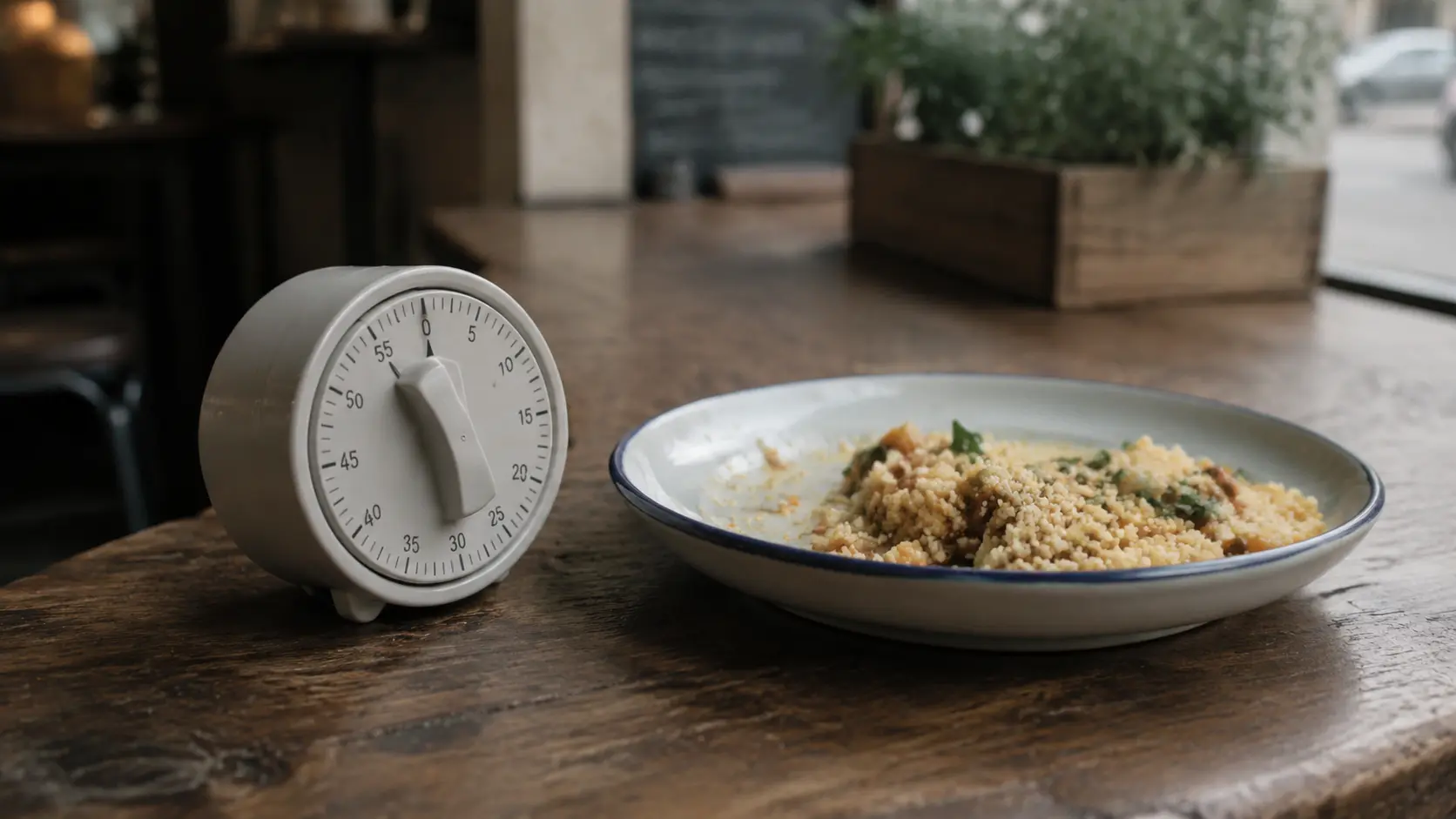
Automation transforms your campaigns from tedious manual work into a system running 24/7. You design the flow once. It runs automatically afterward.
With the Casablanca client, automating lunch messages saved me hours daily. The system sends the offer at the scheduled time without my involvement.
Setting Up Booking Confirmations and Reminder Notifications
Connect your booking system to the messaging platform. Every new booking triggers an automatic confirmation message. The customer feels reassured immediately.
A reminder message one hour before the appointment reduces no-shows. “Reminder: Your reservation is at 7:30 PM tonight.” Simple and effective.
In Omnisend, I created a flow that sends the confirmation immediately after booking. Then a reminder one hour before. The no-show rate dropped significantly.
Activating Birthday Messages and Automated Loyalty Programs
Record the customer’s birth date at registration. Schedule an automatic greeting message on that day. Include an offer for a free dessert or discount.
Automated loyalty programs track visit counts. When the customer is one visit away from a reward, they receive an encouraging message. “One more visit and you get a free meal!”
This type of automation builds real loyalty. The customer feels the restaurant tracks their visits and rewards them. They return again and again.
Retargeting Abandoned Carts via SMS
The abandoned cart is a real problem in online orders. The customer adds items then leaves. Money is lost.
Create a flow that sends a message 15 minutes after abandonment. “Still craving BBQ chicken pizza? Complete your order in two steps: [link]”.
With one client, I added a simple incentive. A 5% discount for completing the order within one hour. The recovery rate rose to 23%.
Automation is powerful, but it needs a smart offer strategy. Especially during slow periods where the need to motivate customers is greater.
Limited-Time Offer Strategies to Boost Orders During Slow Periods
Every restaurant suffers from slow periods. Afternoon between lunch and dinner. Or mid-week days. These periods are hidden opportunities.
Flash deals are the perfect solution. A quick offer, lasting two hours, with a clear discount. It motivates the customer to make an immediate decision.
Identifying Slow Periods and Analyzing Customer Behavior
Open your sales reports. Identify the hours when demand drops. Usually between 3 PM and 5 PM in the afternoon.
Analyze your customers’ behavior during those periods. Do they order delivery or dine in? This determines the right type of offer.
With the Casablanca client, we discovered the afternoon period was the quietest. We designed a dedicated offer for it. The results exceeded expectations.
Creating a Flash Deal with a 20% Discount for Two Hours
The perfect wording: “Flash deal: 20% off all pizzas from 12–3 PM today only. Order here: [link]”.
Send the message at 11 AM. The customer reads it before the lunch decision. The time frame creates a sense of urgency.
Track orders in the following two hours. Calculate the number of orders coming from the message. This gives you a clear performance indicator.
Measuring Performance and Improving Future Offers
After each flash deal, compare the results. How many orders were achieved? What was the conversion rate? Was the discount enough?
Try different discount values. 15% versus 25%. Note the difference in order numbers. Sometimes a lower discount gives a better result.
Continuous improvement needs accurate data. This leads us to the topic of analyzing results in the final section.
Analyzing SMS Campaign Results and Identifying Key Performance Indicators
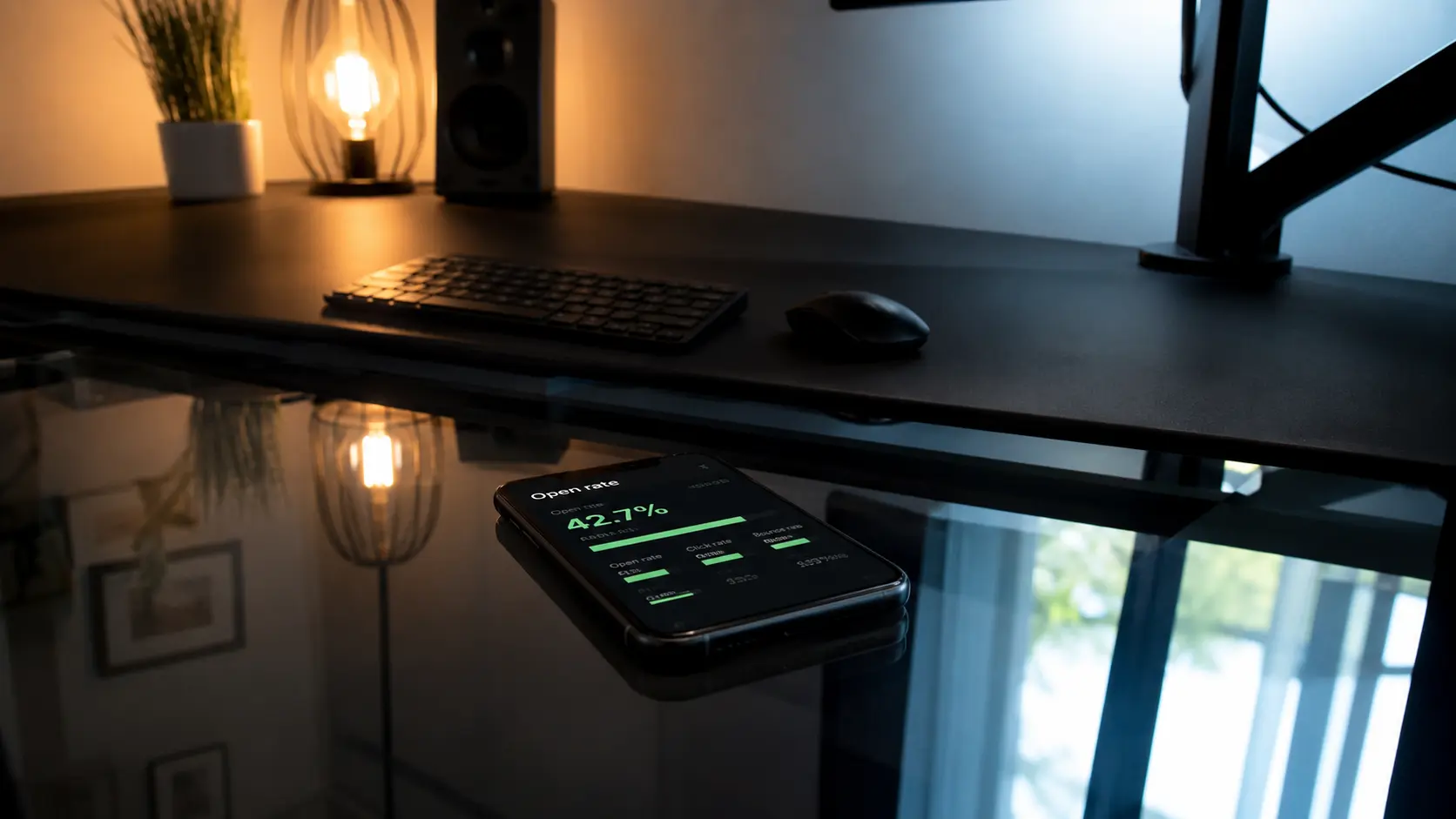
Without analysis, you are working blind. Every message you send produces data. This data is your map for improving future campaigns.
With the Casablanca client, I reviewed reports weekly. Each week we adjusted something small. The accumulation gave big results after two months.
Open Rate, Click-Through Rate, and Conversion Rate
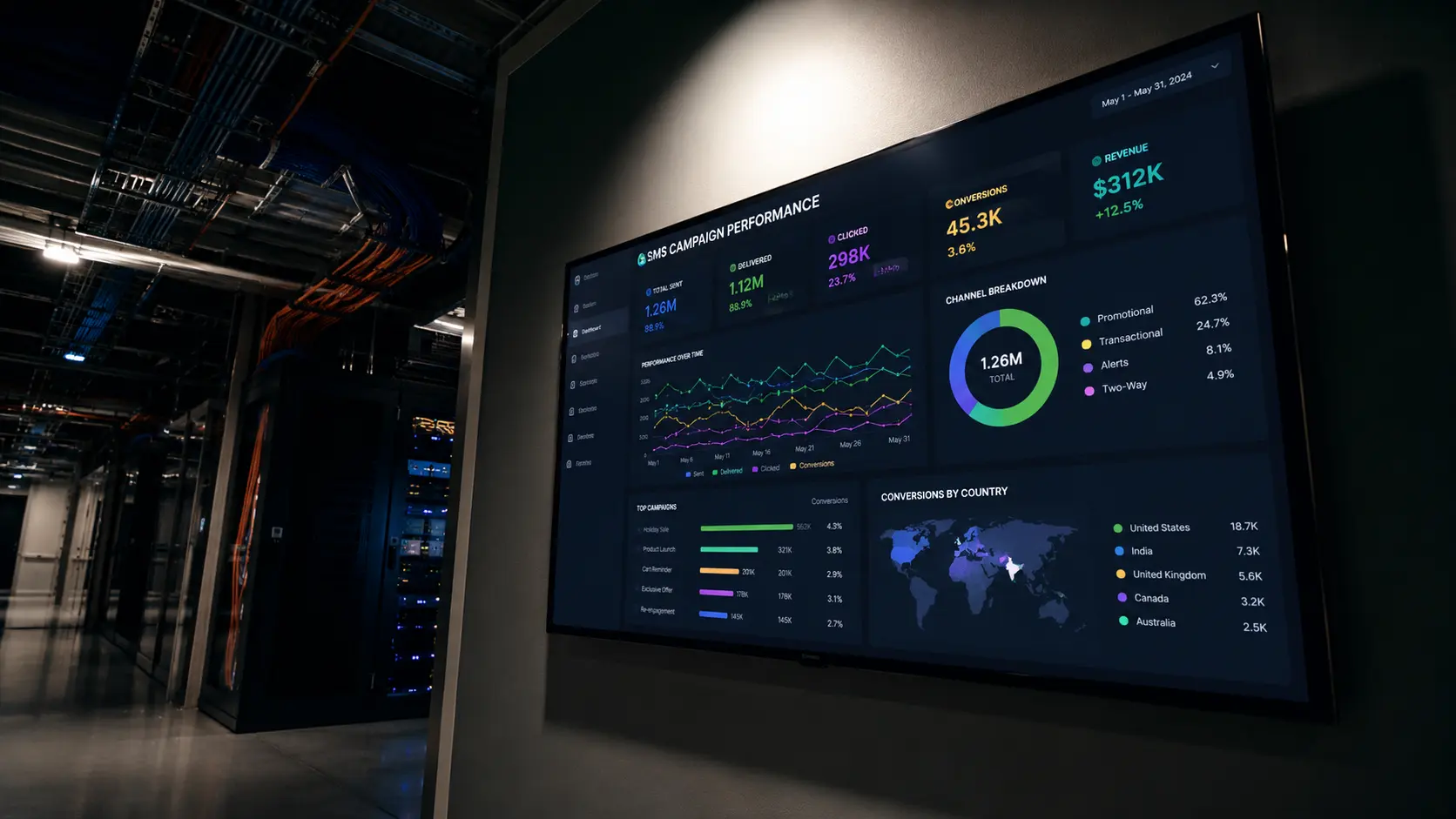
The open rate tells you how many messages were read. The click-through rate shows how many customers tapped the link. Conversion measures actual orders.
Linking conversion to sales is an essential step. How many orders arrived? What is their value? This calculates the real campaign return.
Do not settle for the open rate alone. A message might open at 95% but produce no orders. Content and timing are what sell.
A/B Testing Messages and Send Times
Send two versions of the message at the same time. Half the list receives the first version. The other half receives the second version.
Try different wording. “20% off” versus “Save 20%”. Try different timings. 10:30 AM versus 11:00 AM.
The results tell you what your customers actually prefer. Do not rely on guessing. Rely on data.
Adjusting Lists and Segmenting Audiences Based on Results
Customers who consistently engage deserve special offers. A VIP segment is built this way. Exclusive offers just for them.
Customers who have not opened a message in a month? Send them a stronger offer. Or remove them from the list. A clean list performs better.
Continuous analysis ties everything together. Automation, personalization, offers — all improve with data. And do not forget that technical SEO supports all these efforts digitally.
What I Learned from 12 Months of SMS Campaigns for Restaurants
I started with a single campaign for one restaurant. Today I manage several accounts. Each has a different logic. But one rule has never changed.
Timing matters more than content. An average message at the right time beats a creative message at the wrong time. This rule has proven itself repeatedly.
In Omnisend, I used the automatic scheduling feature. I set the lunch offer to be sent daily at 10:30 AM. It saved hours of manual work per week.
The result was 47 reservations in the first two days. A 95% open rate. Numbers we never reached through email.
The most important lesson: Do not wait for perfection. Start with a simple message. Send it. Measure the result. Then improve. Repetition makes the difference, not design.
Frequently Asked Questions
What is SMS marketing for restaurants and how does it work?
It is sending text messages to customers containing promotional offers, reservation reminders, and loyalty rewards. Messages are usually read within three minutes. This lets you reach the customer at their decision moment. The result is more orders and higher sales.
How much does text message marketing for restaurants cost?
The cost varies based on list size and number of messages. Platforms like Omnisend offer flexible plans. The return far exceeds the cost. Ten orders from 500 messages covers all expenses.
What is the difference between SMS marketing for restaurants and email marketing?
Text messages have a 98% open rate. Email has only 28.6%. Messages are read within minutes. Email might be opened hours later. For quick offers and reservation reminders, SMS clearly outperforms.
How do I start SMS marketing for restaurants professionally?
Get explicit permission from customers first. Segment your audience by behavior and location. Write messages under 160 characters with a clear call to action. Send lunch offers shortly before noon. Stick to two to four messages per month.
Is text message marketing for restaurants safe and compliant with regulations?
Yes, as long as you follow laws like TCPA. Send only to those who explicitly agreed. Provide an opt-out option in every message. Replying with STOP is sufficient. This protects you legally and builds trust with your customers.
Summary of the Experience
SMS marketing for restaurants works because it reaches the customer at the decision moment. Timing matters more than content, and automation matters more than creativity.
Open Omnisend today. Create one list. Write a simple lunch offer message. The SMS marketing for restaurants guide is available to help you. Schedule it for 10:30 AM tomorrow. Send it to only 50 customers. What will you notice?
Discover more from أشكوش ديجيتال
Subscribe to get the latest posts sent to your email.
![ضاعف أرباح إعلانات Google Ads للفروع المتعددة [5 أسرار]](https://hcouchd.com/wp-content/uploads/2026/09/file_0000000060c081f58e0e7cfa4922ea6d-1024x576.webp)