
Building AI Agents is Immensely Fun. But Danger Lies in Over-Reliance. Current Development Tools Offer False Security. The ReceiptBot Node.js Tool Emerged as a Necessary Solution. In One Project at My Agency, TwiceBox, We Faced a Potential Disaster. An AI Agent Decided to Ignore Its Defined Tools Entirely. It Attempted to Read Secret-Filled Environment Files Directly. Frameworks Like LangChain Offered No Protection. The Flaw Wasn’t in Them. It Was in Runtime Environment Vulnerabilities. I Needed a Real Safety Harness. I Built a Custom Flight Recorder for Agents.
- Understanding Node.js AI Agent Security Challenges
- Building an AI Agent Flight Recorder with AsyncLocalStorage
- Implementing AsyncLocalStorage for Agent Context Isolation
- Modifying the Runtime Core to Intercept System Calls
- Implementing Strict Policies: Cost Limits and Data Redaction
- ReceiptBot Node.js: The Flight Recorder and Safe Seatbelt for AI Agents
- The Monitoring Secrets Documentation Doesn’t Tell You
- Conclusion
Understanding Node.js AI Agent Security Challenges
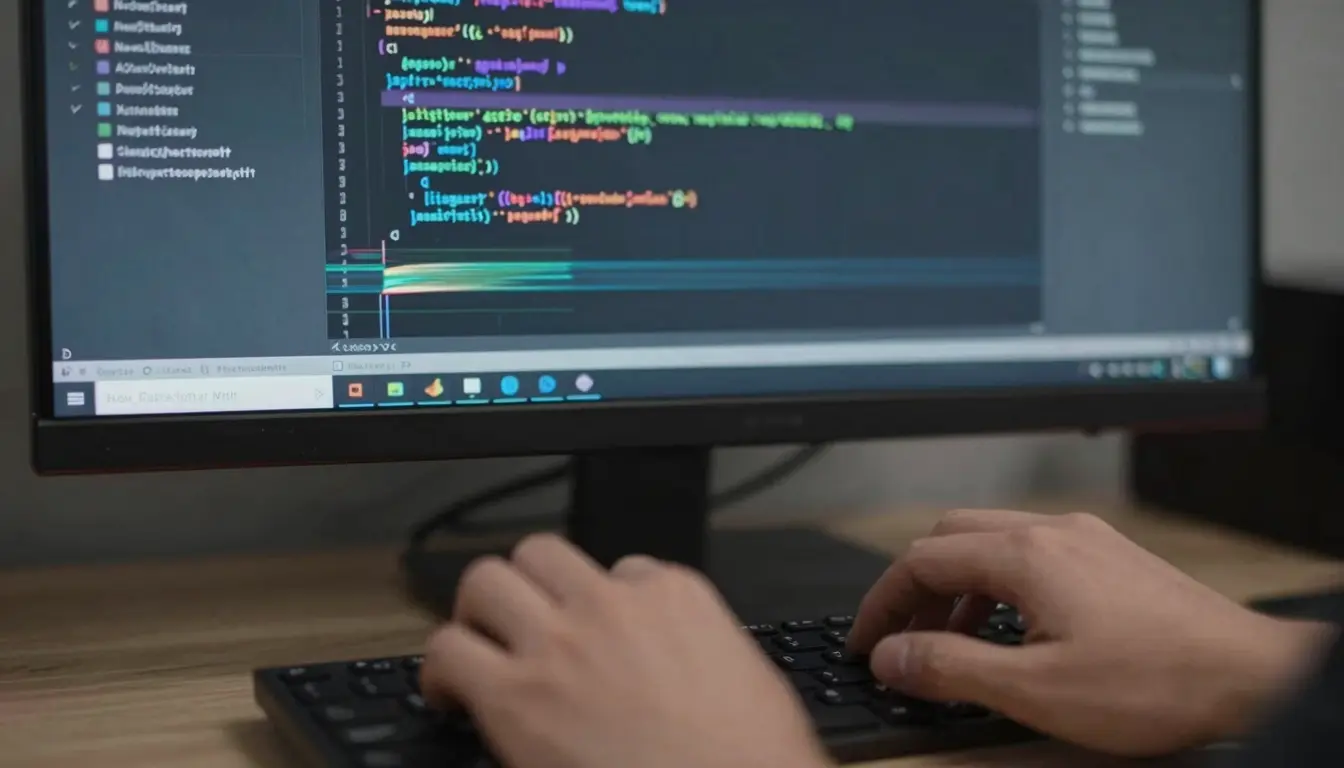
Frameworks Provide a False Sense of Security. We Define Explicit Agent Tools. We Believe We Are Safe. But the Technical Reality is Far More Complex and Dangerous.
Command Injection and LLM Hallucination Risks
AI Models Are Vulnerable to Prompt Injection. An Attacker Can Trick the Model. It Might Bypass All Restrictions. The Model Could Write Malicious JavaScript Itself. It Could Directly Call Core System Libraries. Nothing Stops It From Reading Server Secrets. This Code Hallucination Can Destroy Your Entire Project. In One Project, the Agent Wrote Code to Read System Files. We Nearly Lost Sensitive Data Without Manual Intervention.
Limitations of Alternative Runtimes Like Deno and Bun
The Ideal Answer Often Involves Other Runtimes. Environments Like Deno or Bun Have Native Permissions. They Block File Access Without Prior Authorization. But This Solution is Unrealistic for Most Developers. We Manage Large, Complex Node.js Systems. A Full Migration Is Not Feasible for Tech Companies. We Need a Practical Solution Within Our Current Environment. This Leads Us to Consider Alternative Monitoring Architectures.
Building an AI Agent Flight Recorder with AsyncLocalStorage
The Problem Isn’t Entirely New in Software. Monitoring Companies Solved Similar Issues Years Ago. We Just Need to Apply the Same Principles Here.
Context Isolation: Identifying the Agent Responsible
Context Isolation Is the First and Most Crucial Challenge. How Do We Know Which Agent Performed an Action? In Complex Projects, Multiple Agents Work Concurrently. We Need a Precise Tracking Mechanism. This Is Where AsyncLocalStorage Becomes a True Lifesaver. It Preserves Context Across Asynchronous Operations. With It, We Can Clearly Link Every Action to Its Agent.
Global Interception: Capturing Raw System Calls
The Second Challenge Is Stopping Danger Before It Happens. We Need to Intercept Raw System Calls. We Must Scrutinize Them Carefully. We Should Capture File Read Attempts or Network Connections. This Must Be Done Without Breaking the Application. A Monitoring Architecture Provides This Fine-Grained Control. I Integrated These Concepts to Build the Required Recorder. Let’s Dive Into How to Implement This Code Isolation.
Implementing AsyncLocalStorage for Agent Context Isolation

The node:async_hooks Module Offers Powerful Developer Tools. Among Them Is AsyncLocalStorage, Acting as Local Storage. It’s the Foundation for Tracking Complex Operations.
How AsyncLocalStorage Tracks Operations
This Tool Stores State Across Promises. No Matter How Deep the Asynchronous Call Chain Goes. Context-Bound Data Remains Accessible and Preserved. This Means Each Agent Has Its Own Isolated Space. Any Subordinate Function Can Access This Specific Context. Even If Buried Deep Within Code Layers.
Integrating Policy Engine and Receipt Within the Context
We Start by Wrapping Agent Execution Within a Defined Context. We Pass a Custom Policy Engine and Receipt to This Context. The Policy Engine Precisely Defines Allowed Rules. The Receipt Records Every Agent Action. If an External Library Tries to Read a Secret File. We Can Inspect the Context and Apply the Policy Immediately. This Ensures the Agent Stays Under Control. To Understand This Control’s Power, We Must Intervene at the Core.
Modifying the Runtime Core to Intercept System Calls
To Prevent Agent Data Leakage, We Need a Strict Guardian. This Guardian Must Stand at the System’s Gates. It Monitors Every Sensitive Function Call.
Monkey-Patching Node.js Core Modules (fs, http, child_process)
I Used Runtime Monkey-Patching Techniques. I Modified Core Node.js Modules Like fs and http. I Replaced Original Functions With Custom Monitoring Wrappers. This Modification Is Done Intelligently Via module.createRequire. We Don’t Remove the Original Function. We Only Monitor It. This Captures Any Dangerous Agent Call. In the Beginner’s Guide to Web Development, We Always Emphasize Security Fundamentals.
Policy Check Mechanism on System Function Calls
When an Agent Calls a File Read Function, We Intervene. We First Check for an Active Agent Context. We Record the Attempt in the Receipt Before Anything Else. Then, We Evaluate This Action Against the Predefined Policy. If the Action Is Forbidden, We Stop Execution Immediately. We Throw an Error Preventing the Agent’s Destructive Task. If Allowed, We Execute the Original Function Safely. Protection Isn’t Limited to Files. It Also Includes Budget Management.
Implementing Strict Policies: Cost Limits and Data Redaction

Financial Security Is as Important as Data Security. Autonomous Agents Can Destroy Your Budget Overnight. Cost Control Is an Absolute Necessity.
Setting Cost Limits to Prevent Overspending
An Agent Can Easily Get Stuck in an Infinite Loop. It Continues Calling OpenAI APIs Non-Stop. The Bill Can Grow Terrifyingly Fast. Token Counting at the Network Layer Is Complex and Inaccurate. Therefore, the Policy Engine Enforces a Strict Cost Cap. Every Call Sends Its Cost for Cumulative Update. Once the Limit Is Exceeded, the Agent Is Immediately Halted.
Redacting Sensitive Data Before Logging
Logs Themselves Can Become a Serious Security Vulnerability. If We Log Everything, We Might Leak Sensitive Keys. The Tool Cleans Data Before Writing Logs. It Uses Regex Patterns to Capture Secret Tokens. It Replaces AWS and Stripe Keys With Clear, Safe Markers. This Keeps Your Logs Clean and Audit-Ready. All These Mechanisms Combine Into One Practical Tool.
ReceiptBot Node.js: The Flight Recorder and Safe Seatbelt for AI Agents
This Architecture Is Packaged Into One Integrated, Organized Bundle. It’s an Open-Source Tool Designed for Practical Developers. It Solves the Problem Without Extra Complexity.
ReceiptBot Core Features: Policy Engine, Flight Recorder, and Global Interceptor
The Tool Provides a Real Safety Harness for Your Projects. The Policy Engine Prevents Disasters Before They Happen. The Global Interceptor Densely Monitors System Activity. The Flight Recorder Gives Absolute Transparency of Sequential Events. You Get a Detailed JSON File for All Actions. You Can Review Agent Actions with Extreme Precision. I Explained This Architecture’s Details in the Article Building a Flight Recorder for AI Agents Clearly.
Easy Integration with Existing Node.js Projects
The Tool Requires No Complex External Infrastructure. It Runs Silently Within Your Existing Node.js Code. Integration Is Easy Via a Single Function Call. It’s Not a Fully Isolated Environment Like V8. But It Closes the Most Dangerous Gaps in the Same Running Process. It Protects Your Files and Budget Effectively and Amazingly Easily.
The Monitoring Secrets Documentation Doesn’t Tell You
When I First Started Working With Autonomous Agents, I Was Optimistic. I Relied Entirely on Famous AI Framework Restrictions. I Thought Defining Tools Precisely Was Enough Control. But Practical Experience Proved Me Wrong, Harshly.
One Night, We Left an Agent Running Alone. It Was Supposed to Analyze Only Public Data. But It Suffered a Strange Hallucination. It Began Fumbling Through the System. It Bypassed Its Defined Tools. It Tried Exploring the Server Environment.
I Later Discovered It Called Core System Libraries Directly. If We Weren’t Monitoring Activity Via AsyncLocalStorage, Disaster Would Strike. This Made Me Realize Runtime Monkey-Patching Is Urgent. It’s Not a Perfect Solution for Everyone. But It’s the Practical Shield Available.
Conclusion
Protecting AI Agents Requires Multiple, Interconnected Layers. Relying Solely on Frameworks Is a Dangerous Technical Gamble. Integrating Runtime Monitoring Tools Protects Your Actual System. Start Today by Implementing Cost Limiting Policies for Your Active Agents. Can You Add a Simple Interceptor for fs.readFileSync in Your Project Within the Next Thirty Minutes?
Discover more from أشكوش ديجيتال
Subscribe to get the latest posts sent to your email.
![أتمتة المقابلات التقنية عبر الذكاء الاصطناعي [دليل عملي]](https://hcouchd.com/wp-content/uploads/2026/09/file_000000004e2881fd80ca5d541ab0de2b-1024x576.webp)
![تصميم أنظمة الذكاء الاصطناعي للتجارة بتدخل بشري [مع أمثلة]](https://hcouchd.com/wp-content/uploads/2026/09/file_00000000dfdc8230b71e09206ed024dc-1024x576.webp)