

Search engine optimization is no longer a keyword game. In the artificial intelligence era, the real target is different. The true audience is the gatekeeper in the purchasing committee. I remember a specific moment in our Berlin studio. I was presenting a design to a healthtech brand. Suddenly, the legal director rejected everything. Three weeks of work vanished instantly. No one asked about his real concerns before the deadline.
After that disaster, I sat with a cold coffee. I started applying search engine optimization differently. Instead of writing for keywords, I mapped every decision-maker. I wrote each person’s fear in the first person. Then I searched for sources each role actually trusts. I used Citation Labs to track what each leader reads. The results were shocking. The legal director’s sources never overlapped with marketing. I built specific content for that isolated seat. I created one page about regulatory compliance. Two weeks later, everyone agreed in the first meeting. We saved eighteen workdays. The client renewed the contract for two years. The hidden veto holder is who you must write to first.
- How AI Era SEO Redefines the Gatekeeper’s Role
- Practical Methodology for Conducting Co-Citation Gap Analysis
- Technical Tools to Ensure Gatekeeper Evidence Delivery and Performance Optimization
-
The Lesson Learned After Losing 18 Workdays: Write to the Gatekeeper First
-
Frequently Asked Questions
- What is co-citation gap analysis in SEO?
- Is financial cost or paid software necessary to execute this analysis?
- How does co-citation gap analysis differ from traditional link building?
- How do I manually create a citation matrix and analyze content gaps?
- Is relying on this method safe and reliable for future SEO strategy?
-
Frequently Asked Questions
- Conclusion of the Experience
How AI Era SEO Redefines the Gatekeeper’s Role
For fifteen years, we focused on selling products. We built billions of pages that answered keywords with a simple call to action. This approach created massive cognitive debt. Today, artificial intelligence demands immediate repayment. We must produce non-marketed content that supports real decisions. This concept explains the co-citation gap analysis developed by Citation Labs. Instead of targeting keywords, we map trusted sources per committee role. We identify the exact gap where our content disappears. We then build evidence to fill that gap.
From Anchor Text to Decision Context: The Radical Shift
Anchor text used to tell search engines about page topics. Today, anchor context tells the model why evidence belongs to a specific answer. It belongs to a specific role at a specific decision point. Artificial intelligence models do not evaluate pages based on keywords alone. They evaluate source trust relative to each buyer role. A chief financial officer needs different evidence than a marketing director. Both read the same topic. Their trusted sources differ completely.
This means our work shifted from page description to decision support. We no longer write for keywords. We write for roles that say yes or no.
Identifying the Purchasing Committee and Hidden Gatekeeper Fears
The first step requires mapping the real committee. Ignore the organizational chart. Focus on everyone who holds veto power. Consider a biotech brand committee. It includes the chief executive, legal counsel, operations director, and marketing director. Write each person’s fear in the first person. The chief executive asks if the brand looks fundable. Legal counsel asks if the name triggers lawsuits. These questions drive their artificial intelligence searches.
The hidden gatekeeper usually comes from compliance, legal, or security. They stop projects at the final minute. Your job is to find them before they find you. After mapping fears, you need a precise methodology. You must analyze gaps and build proper evidence.
Practical Methodology for Conducting Co-Citation Gap Analysis

You can execute this analysis manually without paid software. You only need one purchase decision and the committee members. Prepare a prompt set and an artificial intelligence tool. The tool must display its citations. You also need a simple spreadsheet.
Write one prompt per role. Keep the scenario completely fixed. Change only the role identifier. Use the first person consistently. Add a critical kill-switch prompt. Ask what single mistake would cause an irreversible failure. Run the tool for each role. Log three fields per run. Record the sub-queries, pages read, and pages cited. Tag each page by source type. Categorize them as forums, official hubs, or vendor sites. This reveals the exact evidence each role trusts.
Building the Citation Matrix and Identifying the Veto Seat
Create a matrix with cited URLs as rows. Use committee roles as columns. Add a column counting how many roles cited each source. Sort the data in descending order. Look for three specific patterns. Find the shared core cited by multiple roles. Identify the isolated seat with exclusive sources. Spot the empty edge where two roles share nothing. The isolated gatekeeper holds veto power. Their sources never overlap with the rest.
In our healthtech project, legal counsel was the isolated seat. Their sources were regulatory reports and legal articles. These never appeared in marketing answers. We built one compliance page for them. It turned their objection into immediate approval.
Filling Gaps Across Different Decision Stages
Do not stop at the selection phase. Repeat the analysis for rollout and renewal stages. The cited source set changes over time. Your brand might appear in one stage and vanish in another. Most brands focus on selection and ignore later stages. This is a critical mistake. Late objections from operations or security can destroy projects. Pull objections upstream into earlier phases.
After identifying gaps, apply proven lead generation tactics to target trusted channels. Use sub-queries as publishing guides. Build evidence on surfaces artificial intelligence already trusts.
Technical Tools to Ensure Gatekeeper Evidence Delivery and Performance Optimization
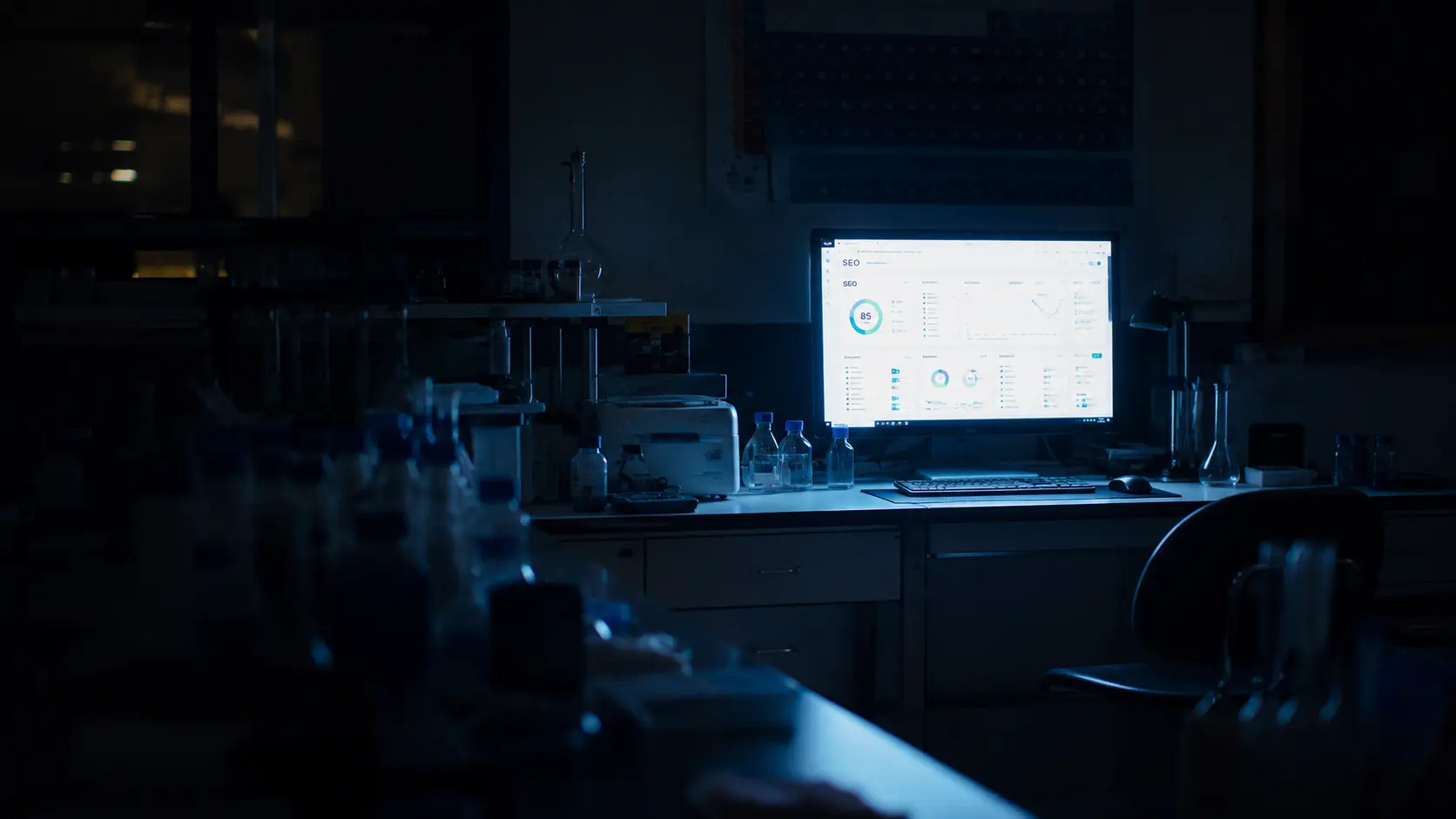
Even the best content fails if search engines cannot crawl it. I use two essential tools in every project. The first reveals technical errors. The second measures speed and performance.
Crawl, Indexing, and Technical Error Detection
I strongly recommend Google Search Console. Visit the official dashboard and check coverage reports. You will see indexed pages, blocked pages, and error codes. Core Web Vitals metrics show page stability. I once discovered thirty percent of guide pages were unindexed. The cause was a misconfigured robots.txt file. I fixed it via Search Console in minutes. The pages reappeared within two days.
A second indispensable tool is Screaming Frog SEO Spider. Open the application and click the start button. It crawls your entire site automatically. It identifies broken links, redirect chains, and duplicate content. It helps you audit URLs and catch errors before they hurt rankings.
Measuring Page Speed and User Experience
For performance optimization, use Google PageSpeed Insights. Enter your page URL into the tool. You will receive a detailed Core Web Vitals report. Monitor first-contentful paint and total blocking time. A client site originally showed eight hundred milliseconds of blocking time. This delay frustrates visitors and damages rankings. After compressing images and minifying scripts, the time dropped to two hundred milliseconds. The LCP metric improved noticeably. Technical tools guarantee evidence delivery. The deeper lesson involves turning objections into guidance.
The Lesson Learned After Losing 18 Workdays: Write to the Gatekeeper First
In that healthtech project, legal counsel was the hidden gatekeeper. Their objection appeared only at the final pitch. We lost three weeks of progress. That disaster permanently changed my workflow. Instead of starting design, I mapped the committee. I used Citation Labs to track cited sources per role. I built the citation matrix manually. I found legal sources never overlapped with others. The seat was completely isolated.
I created one page. It was a preliminary brand clearance brief. It included a regulatory requirements checklist. I sent it to legal counsel before work started. They reviewed it and approved it in one day. At the final pitch, no objections remained. Everyone agreed immediately. We saved eighteen workdays. The client renewed the contract for two extra years. The hidden veto holder is who you write to first. Give them evidence to review before forcing objections.
Frequently Asked Questions
What is co-citation gap analysis in SEO?
It is a methodology that maps sources artificial intelligence cites per buyer role. The goal is to reveal unserved roles. You then build targeted evidence to close the gap. Instead of targeting keywords, you support the actual decision.
Is financial cost or paid software necessary to execute this analysis?
You do not need paid software. You can run the analysis manually. Use free artificial intelligence tools that show citations. Pair them with a simple spreadsheet. You only need one purchase decision and the committee members.
How does co-citation gap analysis differ from traditional link building?
Traditional link building focuses on anchor text to describe pages. Co-citation gap analysis focuses on anchor context. It explains why evidence belongs to a specific answer. The work shifts from page description to decision support.
How do I manually create a citation matrix and analyze content gaps?
Start by listing committee members and their fears. Write one first-person prompt per role. Run an artificial intelligence tool that shows sources. Log read and cited pages into a spreadsheet. Create a matrix tracking shared and isolated sources. Identify the veto seat with the least overlap. Build content for that seat first.
Is relying on this method safe and reliable for future SEO strategy?
Yes, because it addresses algorithmic shifts toward artificial intelligence. Instead of marketing products with generic calls to action, you provide real decision support. This approach protects your strategy from cognitive debt. It increases visibility to intelligent oversight systems.
Conclusion of the Experience
The decision key is no longer in keywords. It resides in the person with veto power. Identify them first. Write to them first. Turn objections into working evidence before they halt your project. In your current project, do you know the hidden gatekeeper? Identify them now. Write them one page before the day ends.
Discover more from أشكوش ديجيتال
Subscribe to get the latest posts sent to your email.
![اربط حملات Demand Gen ببيانات الأعمال [دون Merchant Center]](https://hcouchd.com/wp-content/uploads/2026/10/file_000000006ee0820d8e6f2e39828222cd-1024x576.webp)
![إطلاق تحديث AI Overviews لزيادة نقرات موقعك [أهم الأخبار]](https://hcouchd.com/wp-content/uploads/2026/10/file_00000000b58881f5b3423f2d1585d9ee-1024x576.webp)
![ضاعف أرباح إعلانات Google Ads للفروع المتعددة [5 أسرار]](https://hcouchd.com/wp-content/uploads/2026/09/file_0000000060c081f58e0e7cfa4922ea6d-1024x576.webp)