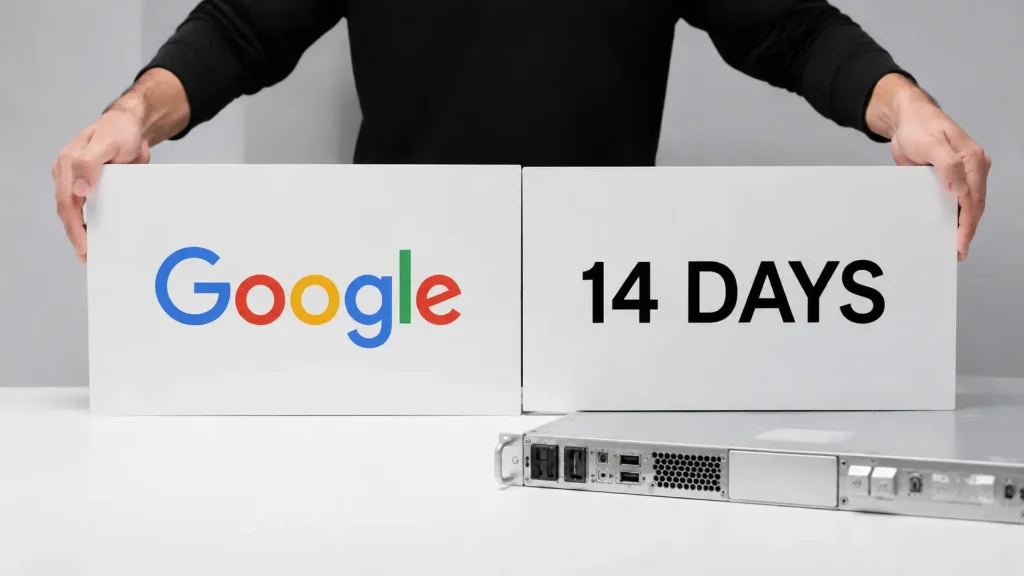
The future of SEO is no longer built on backlinks alone. It is built on the semantic consensus that AI engines extract from paid content. Embedded YouTube sponsorships, G2 reviews incentivized by vouchers, and audio sponsorships are no longer just temporary clicks. They are permanent data points that feed ChatGPT, Perplexity, and Google AI Overview with your brand’s context.
I once opened a client’s email requesting a $250 Amazon voucher for anyone writing a review. I thought he was just buying loyalty. It turned out he was buying what amounts to AI backlinks, and I had three hours ahead of me on a train to understand the difference between a temporary ad and a written text that lasts forever. Since then, I stopped treating sponsorship budgets like apartment rent we leave after a campaign. I began seeing them as infrastructure that shapes the permanent image of a brand before language models.
- How paid media is reshaping the future of SEO in AI engines
- Activating the convincer in the visibility supply chain
- Targeting reliable data pipelines for answer engines
- Optimizing budgets, not pages, to build brand persona
-
Two hours that saved 40% of a software client’s sponsorship budget
-
Frequently Asked Questions
- What is the future of SEO with the spread of AI search engines?
- Does investing in the future of SEO require huge marketing budgets?
- What is the difference between traditional link building and future SEO strategies?
- How can I benefit from paid content and influencer sponsorships to improve visibility?
- Is it safe and trustworthy to incentivize clients to write reviews for rewards?
-
Frequently Asked Questions
- Summary of the experience
How paid media is reshaping the future of SEO in AI engines

The old model bet on link counts and domain authority. Today, retrieval-augmented generation systems search for repeated semantic consensus across their trusted sources.
From link math to semantic consensus in RAG systems
When you pay $250 for a review on G2, you are not buying a fleeting promotional text. You are planting a dense textual data point. It includes the problem, the solution, and the user’s tone. Large language models process these texts not to count links, but to map the sentiment and vector positions of your brand. I saw this with a software client. He started appearing in ChatGPT recommendations just two weeks after we increased detailed reviews incentivized by vouchers.
Why embedded YouTube sponsorships are permanent infrastructure
A dynamic ad that appears as a pop-up frame is completely ignored by the crawler. But a sponsorship segment that a creator reads inside a video gets transcribed and indexed. I tested this with a campaign that explained business taxes. One month after the embedded sponsorship, the platform started appearing in Perplexity answers to tax questions, even after we stopped spending. The trick here is that the spoken text becomes a dormant reference. It is recallable when a user needs it. That is exactly the shift that pushes us to the question of internal coordination in the next step.
Activating the convincer in the visibility supply chain

The paid team buys demographic reach. The product team collects reviews to hit a quarterly quota. Both can destroy the data density that language models need. This is where the convincer steps in. They transform desires into machine-readable signals.
Avoiding low-density noise in user reviews
Early on, I encouraged clients to write “great tool” and thought it was a good review. Later, I realized that ChatGPT in a conversation window treats it as empty text. The convincer must push users to write contextual solutions: “We used the platform to solve cross-border compliance issues in Europe.” This type of comment maps entity relationships for AI and gives it a concrete reason to recommend you for a similar question.
Aligning paid marketing teams with AI entity maps
I recall a meeting with an ad manager. He was picking influencers based solely on view count. I intervened and asked them to mention the product name in the context of a specific operational problem. Language models link entities to usage, not just frequency. The result was one campaign that achieved visibility in Google AI Overview because the text met the semantic matching condition. Alignment is not a tactical choice. It is the new form of budget optimization.
Targeting reliable data pipelines for answer engines

Searching for the traditional audience is no longer enough. The bigger question is: will this content enter the data pipeline that large language models trust?
Matching datasets with Perplexity and ChatGPT platforms
When planning a UGC campaign, I use Perplexity to check the sources it relies on when answering a question in my industry. If our platform is not among those sources, I first push specific sponsorships in that environment. I noticed with a tech client that his visibility doubled after we focused on Reddit reviews instead of forgotten blogs. Modern models flow toward live social network data as we see today.
Leveraging Google AI Overview through comprehensive content
The “concept-complete content” strategy means your answer does not stop at a direct reply. It covers the context and comparisons. When I saw a competitor cited in the AI Overview box, I analyzed their model. They offered a short answer in the first sentence, then a comparison table, then an FAQ section. I applied the same method to our sponsored pages and began seeing an increase in impressions. It was not due to word density. It was due to the completeness of the concept the algorithm seeks.
Optimizing budgets, not pages, to build brand persona
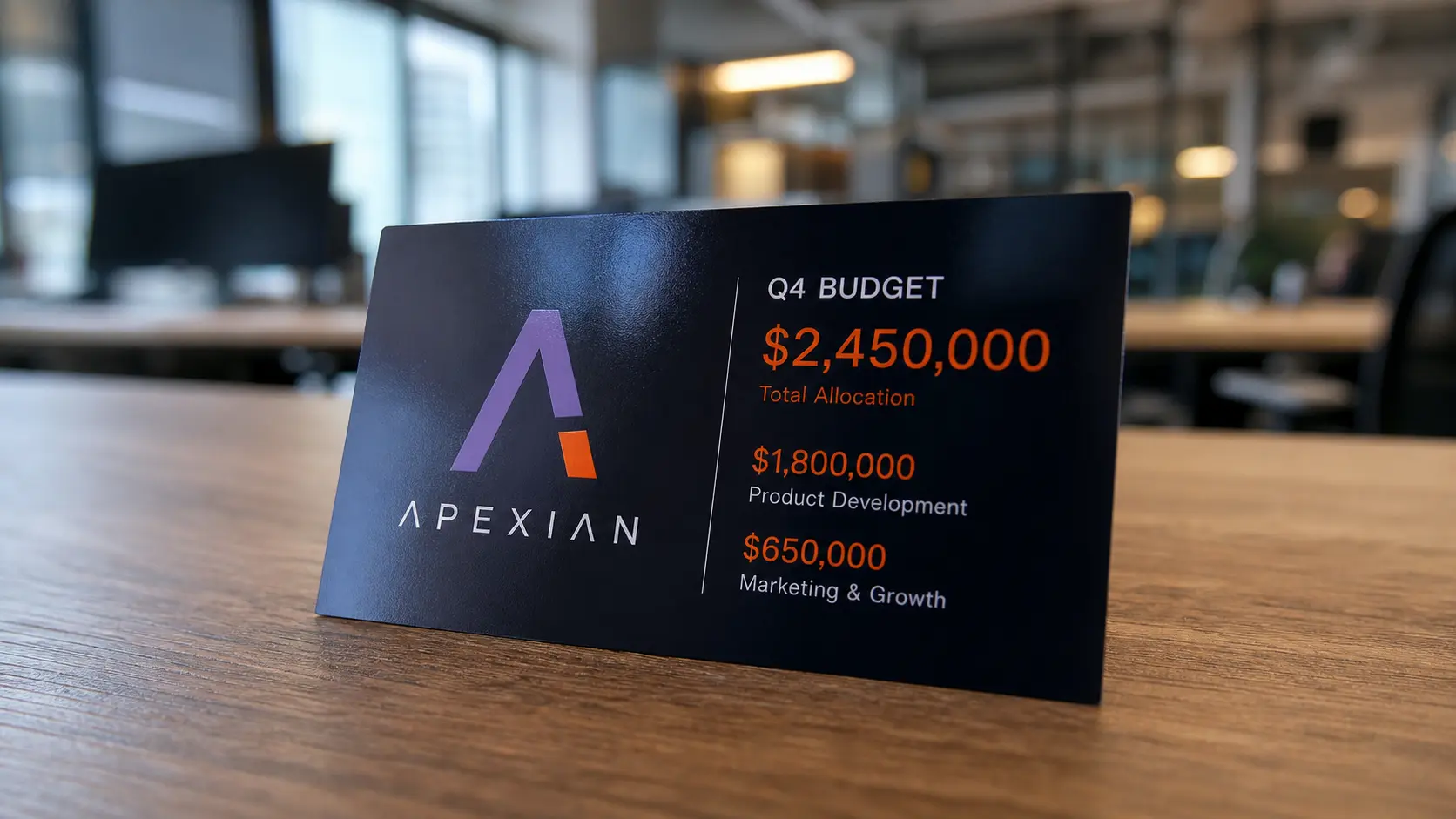
Common thinking focuses on optimizing pages and title tags. But the future of SEO forces you to ask: how do you optimize the paid budget line to become an informational asset?
Applying the ‘start with the answer’ strategy in sponsored content
I asked the video production team to open every sponsorship with one sentence that holds the exact answer to the viewer’s problem. For example: “We manage your business taxes from a single dashboard. That is the solution.” We stopped using long intros. The result was an increase in AI engine responses to our brand. The model found the answer directly in the first second. This method raised our visibility in AI Overview, confirmed by tracking organic CTR before and after the change.
Building credibility through structural formatting and references
Sponsored content can become more credible if it turns into numbered lists and comparison tables. I ask influencers to include a link to a verified case study below the description. This is similar to what I did in the content strategy that builds trust with a four-layer system. Each layer turns into a credibility signal that the crawler reads. When sponsored text is structured and referenced, language models depend on it more as a primary trusted source.
Two hours that saved 40% of a software client’s sponsorship budget
I did not notice the danger of shallow content until we reviewed the results of a big campaign. The budget was spent entirely on audio sponsorships on YouTube that had good views. But after three months, the brand did not appear in ChatGPT or Perplexity suggestions. I felt I wasted the client’s money, even though the surface-level numbers were excellent.
I went back to analyze the transcribed texts. I found the sponsorship never mentioned the brand name and its context together in one sentence. The language models did not link the entity to the problem because the sentence was: “Try this tool. It is useful.” I remembered then that AI needs dense sentences. In the next campaign, I made sure every sponsorship started with a sentence like: “We use Brand X to manage cross-border e-commerce taxes.”
The result was almost immediate. Within two weeks, mentions started appearing in Perplexity answers about taxes. More importantly, 40% of the budget that went to temporary dynamic ads was moved to this type of contextual sponsorship. The effect continued after payment stopped. If I had not fixed this linguistic structure, I would have kept thinking the problem was the spending size, not the text structure itself.
Frequently Asked Questions
What is the future of SEO with the spread of AI search engines?
The future of SEO depends on the semantic consensus formed by review texts and embedded sponsorships, not just links. Platforms like ChatGPT gather information from trusted sources like G2 and YouTube. Your brand must leave dense data points that explain the product usage context to become the first choice when the model recommends something.
Does investing in the future of SEO require huge marketing budgets?
It does not require separate budgets. It requires redirecting what you already spend on temporary ads toward embedded content and contextual review texts. These texts remain archived and are used by AI systems as permanent references. This is the opposite of dynamic ads that disappear when funding stops.
What is the difference between traditional link building and future SEO strategies?
Link building used to count links and domain authority. Today, language models look for repeated signals in dense texts that directly link your brand to a problem. One detailed review is now equal to several links in the new system.
How can I benefit from paid content and influencer sponsorships to improve visibility?
Focus on sponsorships that the influencer reads naturally inside the video. The transcribed text gets indexed. Also, encourage users to write reviews that explain the details. This type of signal is what Perplexity and ChatGPT capture when collecting data for answers.
Is it safe and trustworthy to incentivize clients to write reviews for rewards?
Yes, as long as you ask for real and detailed feedback. A surface-level review that says “great tool” is ignored by AI as low-density content. Guide users to write about their problem context and solution to get the data point that models rely on.
Summary of the experience
The future of SEO is no longer exclusive to the SEO team. Every dollar you spend on paid sponsorship can become a permanent reference for AI models if you care about its wording and structure. Tomorrow, answer engines may pull your brand from obscurity, just because a text written two years ago was dense enough.
The question now is: how many campaigns do you pay for every month that literally evaporate without planting any infrastructure that gets read later?
Discover more from أشكوش ديجيتال
Subscribe to get the latest posts sent to your email.
![ضاعف أرباح إعلانات Google Ads للفروع المتعددة [5 أسرار]](https://hcouchd.com/wp-content/uploads/2026/09/file_0000000060c081f58e0e7cfa4922ea6d-1024x576.webp)