Modern generative tools have completely changed the visual game. Today, AI for designers is transforming how we think and execute within studios. I notice a recurring pattern in design agencies today. Some believe typing text prompts is enough to produce a complete design. The problem is not the technical quality of generated images. The real issue is the lack of true visual discernment. In one project, our team generated dozens of options in minutes. They chose the worst design to present to the client. They lacked an internal visual library to distinguish correct proportions. I used prompts myself and ended up with a button the size of a billboard. I felt like I had become a visual security guard. You can easily delegate screen execution to the machine. However, you can never delegate taste or vision.
- The Interface Has Left the Building: Why the Old Workflow Is Dead
- How AI for Designers Redesigns the Workflow from Scratch
- Taste Cannot Be Delegated: The Limits of What AI Can Deliver
- Advanced Layers: Standards, Sustainability, and the Kintsugi Problem
-
Filtering Automated Outputs: A Lesson from Hundreds of Prototypes
-
Frequently Asked Questions
- What is the role of AI for designers in developing user interfaces?
- Is the cost of relying on AI for designers high?
- What is the difference between AI for designers and traditional design?
- How can AI for designers be utilized in the workflow?
- Is it safe to delegate taste and creative decisions to AI?
-
Frequently Asked Questions
- The Experience Summary
The Interface Has Left the Building: Why the Old Workflow Is Dead

The nature of interaction has changed drastically today. The focus is no longer limited to drawing static screens.
What Actually Changed in a Designer’s Day
A designer’s day used to revolve around managing Figma files and hand-drawing. It is now built on defining intents and interactive contexts. Most discussions revolve around how to build the outputs. Very few people talk about how to judge the quality.
AX as an Orchestration Layer, Not an Add-on
The concept of AI Experience (AX) represents a higher orchestration layer. It connects user intent to the final outputs of the system. Reshaping interaction requires understanding the impact of AI on committee decisions within teams. Treating it as just an extra button is a massive mistake.
Why We Are Sharpening Knives in the Wrong Battle
Designers are busy defending traditional building tools. They forget to develop their critical decision-making abilities. The real battle is not about drawing speed. The battle lies in filtering cluttered automated outputs. This shift in work roles opens the door to restructuring the entire process.
How AI for Designers Redesigns the Workflow from Scratch

Re-engineering begins right at the first idea formulation stage.
The SAID Framework: Reclaiming the Design Process Step-by-Step
The SAID framework provides a clear sequence for creative execution. This framework prevents the designer from jumping straight into random generation. You must define the problem and success criteria first. Then comes the stage of exploring solutions using the machine.
How AI Became Part of My UX Design Workflow
Integrating technology requires intentional and specific experimentation. We use the tools in user research and summarizing complex data. I reviewed hundreds of interviews in just two hours. That saved days of long, exhausting manual transcription.
Building an Internal Reference Library to Judge Outputs
Automated outputs are merely a first draft and nothing more. They always need a strict visual and functional reference. The designer builds this reference by studying successful projects. Then they decide to accept the output or reject it immediately. Defining acceptance criteria moves us to the issue of automated output limits.
Taste Cannot Be Delegated: The Limits of What AI Can Deliver
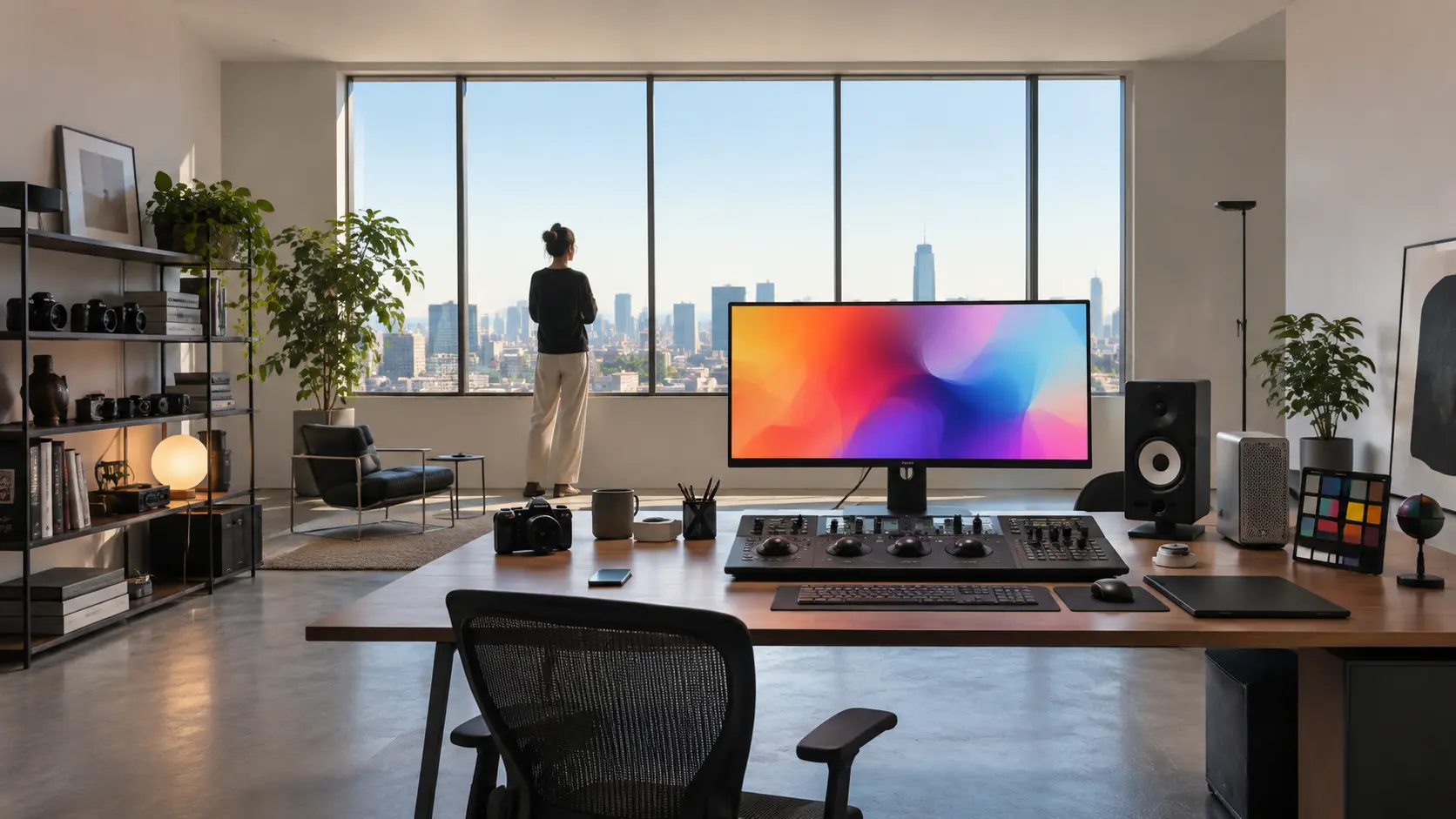
The tools offer insane speed and endless options. But distinguishing between good and bad remains exclusively yours.
Where Taste Actually Comes From: Exposure, Proportion, Typography
Visual taste is not a magical gift born with a person. It is the result of continuous exposure to exceptional and historical works. This requires studying typography rules and visual proportions. Stable discernment prevents randomness in choice.
The Real Cost of Craft Nobody Mentions
Craft carries invisible costs that do not appear in spreadsheets. These costs include public risk and frequent rejection. An article about delegating taste and orchestration layers discusses this dilemma deeply. The designer is the one who pays the price for the final decision.
Who Will Actually Thrive When Tools Get Faster
Those who constantly raise their visual judgment ceiling will thrive. Owners of routine tasks will face greater time pressure. Labor-saving tools do not grant you free time. They only raise expectations for rapid achievement. This speed requires an explicit commitment to open standards.
Advanced Layers: Standards, Sustainability, and the Kintsugi Problem
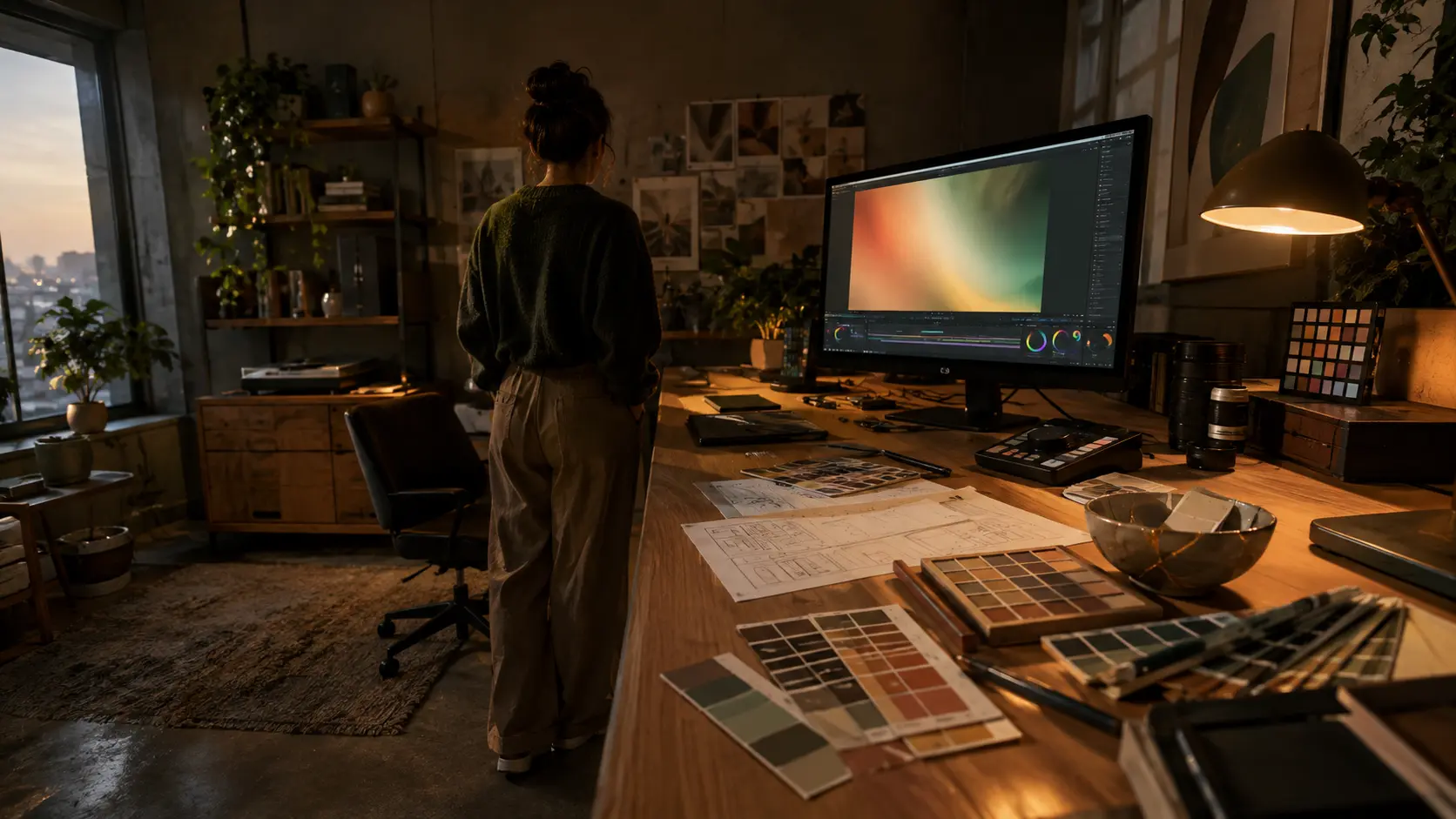
The stability of the new workflow forces us to deal with deeper issues.
Designing with Web Standards: The Playbook for This Moment
Open web standards are considered a real safety net. They protect your design decisions from changes in closed platforms. Committing to standards ensures the long-term sustainability of interfaces.
Sustainable Design as a Default, Not an Exception
Generating thousands of images consumes massive processing power. Sustainable design must be made a fundamental condition in decisions. Reducing software consumption improves both loading speed and the environment.
The Kintsugi Problem: When Design Becomes the Organization
What happens to your value when decisions become automated? You maintain your position as the owner of the final judgment. Do not turn into just a button operator in the system.
Filtering Automated Outputs: A Lesson from Hundreds of Prototypes
In one project, I generated more than 200 interface mockups in a single hour. I felt a sense of accomplishment at the time. I later discovered that half of the interfaces were practically unusable. I learned a simple truth from this experience. Defining visual rules before running cuts review time by 80%. I now set strict constraints for fonts and spacing inside Midjourney or Figma. The tools transformed from chaos factories into precise executive assistants.
Frequently Asked Questions
What is the role of AI for designers in developing user interfaces?
AI for designers plays a pivotal role in reshaping the user experience. The focus shifts from merely designing screens to engineering interactions via voice and chat. AI tools act as an orchestration layer to help designers automate repetitive tasks. This allows them to focus on critical thinking and build highly effective experiences.
Is the cost of relying on AI for designers high?
The cost varies based on the tool type and team size. Many AI features are integrated for free within core design software. However, advanced or enterprise tools require paid monthly subscriptions. Investing in these tools reduces long-term operational costs by accelerating workflows. It also significantly reduces the time spent executing routine tasks.
What is the difference between AI for designers and traditional design?
Traditional design relies mainly on creating visual interfaces and static screens. Conversely, AI for designers focuses on designing system behaviors and orchestration layers. Interaction is no longer limited to the screen in the AI era. It extends to voice commands and smart conversations. This requires designers to think about system responses and context adaptation.
How can AI for designers be utilized in the workflow?
You can start integrating AI through intentional and gradual experimentation. Use it in research phases, user data analysis, or initial ideation. It is crucial to apply clear frameworks to regain control of the design process. AI should be an assistant that accelerates your work and supports decisions. It must not replace critical thinking or deep project understanding.
Is it safe to delegate taste and creative decisions to AI?
Taste and creative sense cannot be delegated to artificial intelligence. Taste stems from experience, studying history, understanding proportions, and recognizing quality. These are distinctly human capabilities. Technology provides options and speeds up execution. However, the final judgment on quality and human usability remains the designer’s responsibility. Total reliance on machines strips design of its soul and depth.
The Experience Summary
Modern technology will not replace your expert eye or visual sense. It multiplies your speed and only tests your ability to choose. Start today by defining acceptance criteria before running any generative tool. Do you still spend most of your day moving elements manually? Or have you started managing the entire system as a whole?
Discover more from أشكوش ديجيتال
Subscribe to get the latest posts sent to your email.