![تحويل استراتيجية AEO وGEO إلى مبيعات [خطة 90 يوما]](https://hcouchd.com/wp-content/uploads/2026/07/file_00000000ed2081fd96350e95690e0ddf-1024x576.webp)
AEO and GEO strategies often feel like a frantic race. Most teams celebrate brand mentions in ChatGPT responses. Almost no one celebrates actual revenue growth today.
I once spent a full week with a marketing team. They showed me endless screenshots across multiple platforms. Your brand appeared everywhere in their daily reports. Team morale was incredibly high during that week. I asked them to open the revenue dashboard. The silence that followed was completely deafening to me.
The problem was never the underlying marketing tactic. The real issue was simply the chosen goal.
I have seen this pattern thousands of times. Clients celebrate brand mentions in AI answers daily. They share screenshots across multiple social platforms quickly. They believe the marketing job is completely done. The real problem starts when we review sales. The monthly numbers remain completely flat and stagnant.
The recurring mistake is treating AEO GEO profitability as a simple citation tool. Teams send ready-to-buy visitors to slow landing pages. Those pages target early-stage researchers who are lost. This instantly kills the sale chance immediately. AI-referred visitors are completely different from organic traffic. They arrive after comparing options themselves. They only need trust confirmation and a smooth checkout.
Successful companies link this visibility to direct conversion systems. These systems remove complex steps between appearance and purchase. AI search presence might feed your professional pride. It will never pay your team salaries. Build a conversion path designed for decisive visitors. Do this before worrying about smart system mentions.
- Why Most AEO/GEO Campaigns Fail to Generate Profit
- The Profitability Gap: How Buyer Behavior Changes in AI Environments
- Common Traits of the Most Profitable AI Engine Campaigns
- A 90-Day Plan to Turn AEO and GEO Into Real Revenue
- What I Learned Linking Visibility to Actual Sales Paths
-
FAQs
- What are AEO and GEO strategies, and how do they differ from traditional SEO?
- What is the cost of building an AEO GEO profitability strategy, and is it worth the investment?
- What is the difference between AI robot traffic and traditional Google search?
- How can I execute an AEO GEO profitability strategy to achieve actual sales?
- Is relying on AI engines reliable and profitable for businesses?
- Conclusion: Visibility Is Not Enough
Why Most AEO/GEO Campaigns Fail to Generate Profit
The question is no longer just about visibility. The real question is simple. Will anyone actually buy after seeing you?

The Core Difference Between AI Engine Visibility and Actual Conversions
Most projects I audit only measure brand signals. They track mention frequency across multiple platforms. This is like counting ad clicks without checking sales. A signal disconnected from a conversion path is just noise. You cannot use noise to pay utility bills.
NP Digital audit data across one hundred campaigns confirms this. The AI visibility index climbed to 133. The profitability outcomes index reached 174. The gap between them traps most marketers. Teams celebrate activity metrics daily. Leadership waits for return metrics. This disconnect causes budget rejections.
The Four Errors That Drain Marketing Budgets Without Return
After auditing dozens of campaigns, I found four recurring failure patterns. These patterns drain effort and budget. They generate zero profit for the business. The first error is optimizing for signals and citations instead of conversions. One client spent heavily on structured data updates. Citations increased, but only for generic answers. Those answers contained no product links. You cannot track financial paths from them.
The second error is measuring visibility like traditional rankings. Entire teams chase the “number one ChatGPT response” myth. That ranking is unstable and highly volatile. It shifts per user and per conversation. You cannot build a sales strategy on volatile numbers. The third error is chasing AI tactics in isolation from revenue goals. Schema updates, prompt engineering, and entity optimization are excellent tools. They collapse without strong content architecture. I once executed a similar tactic for a store. Citations spiked quickly. They vanished after a month. The content remained isolated on the site.
The fourth and most dangerous error is running AEO and GEO separately from corporate revenue targets. This makes marketing look like public relations. It stops looking like a profit center. Winning teams now link visibility directly to sales pipelines. They ignore raw mention counts entirely.
The Profitability Gap: How Buyer Behavior Changes in AI Environments
Visitors arriving from AI tools are not curious. They have already made up their minds.
Comparing Conversion Rates and Revenue Between Traditional and AI Visitors
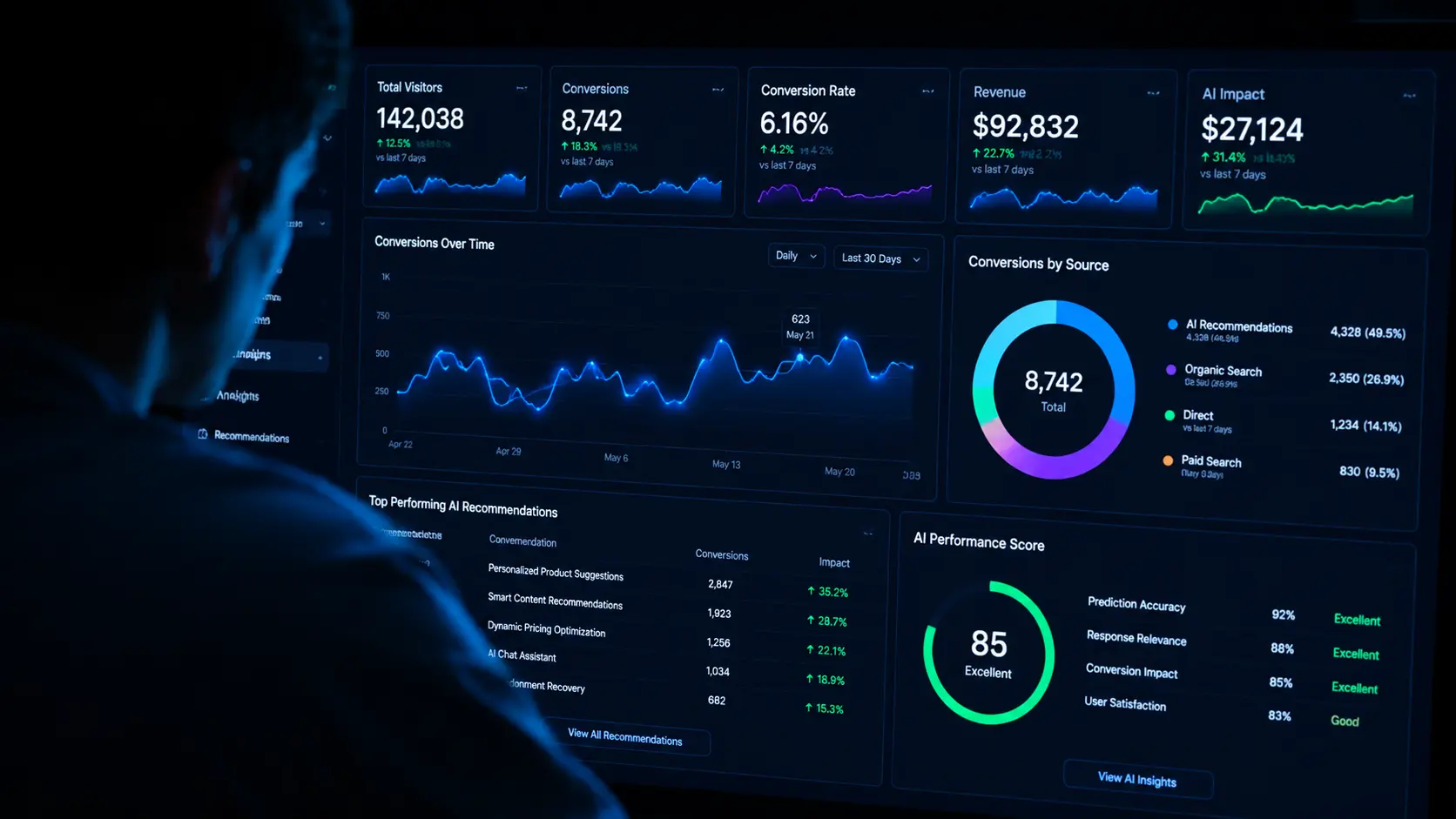
NP Digital study numbers shock some readers. They make perfect sense to data practitioners. AI visitors achieve a 5.97 percent conversion rate. Traditional organic visitors convert at just 0.72 percent. This is not a slight increase. It is a full eightfold difference.
Total AI traffic volume remains relatively small. It represents only 0.58 percent of total visitors. Yet this small volume drives 5.09 percent of total sales. Revenue per visitor jumps from $2.56 to $18.04. One AI visitor equals seven standard visitors. Decision time drops from eight days to three. Customer lifetime value rises from $271 to $325.
Why AI Visitors Arrive at the Decision Stage
The reason is simple but deeply impactful. Buyers used to search for their own problems. They visited ten sites to compare options. They gathered information piece by piece. Today, ChatGPT or Gemini does that work. Users request product comparisons. The tool generates a summary. It compares prices. It lists pros and cons. Buyers arrive with opinions already formed. They do not want to learn who you are. They want final confirmation and a smooth checkout. A generic landing page will lose them instantly. They have already passed that research stage.
Common Traits of the Most Profitable AI Engine Campaigns
Data analysis reveals a clear four-part pattern. These traits reinforce each other perfectly. Missing any single trait breaks the profit chain.
Building Retrieval-Ready Content and Strong Trust Signals
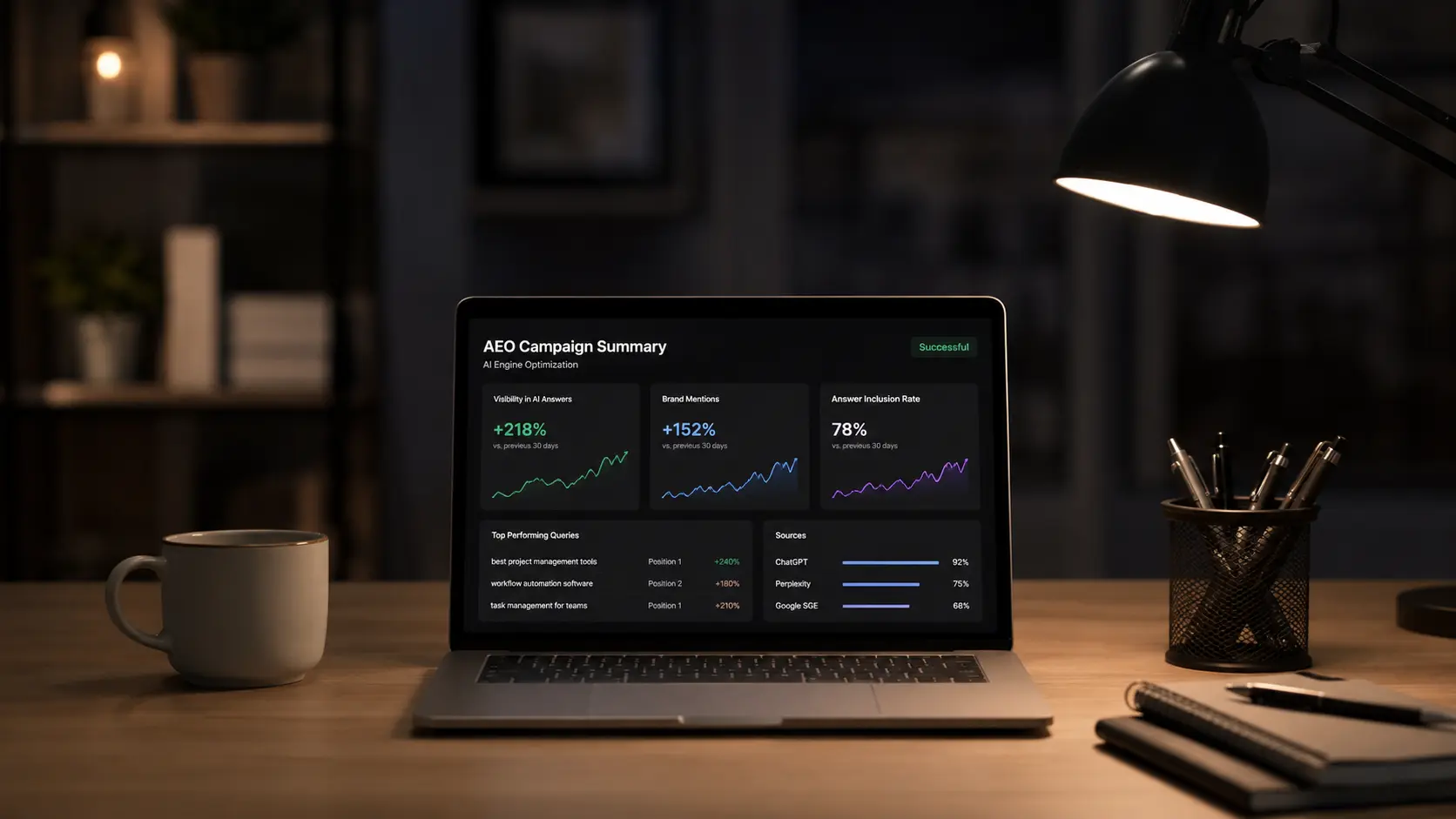
Content that drives both citations and sales is not general awareness material. It is high purchase intent content. Comparison pages and alternatives content achieve the highest conversion rate. That rate reached 6.8 percent. This figure comes from real data across forty campaigns. Original research and proprietary brand data are equally vital. ChatGPT or Claude cannot replicate your unique studies. They must cite you as a primary source.
Content formatting matters just as much as content type. Various list formats capture 48 percent of citations. Detailed step-by-step guides account for 17 percent. AI engines extract structured content effortlessly. Trust signals are what make them rely on you. NP Digital research scored six trust signals across five platforms. External source citations scored highest. They ranged from 4.5 to 4.8 out of 5. Credentialed expert authorship scored between 4.0 and 4.6. AI engines prioritize hard-to-fake signals. They want real experts and external references.
Multi-Channel Distribution and Conversion Architecture for Low-Click Environments
Brands publishing only on their own site look like isolated islands. NP Digital tracked seventy-five brands. They found a direct correlation between monthly channels and visibility scores. AI engines verify credibility through repetition. Presence on YouTube, LinkedIn, Reddit, and PR outlets proves you are a real entity. You are not just self-publishing blindly.
But what happens after the visitor arrives? This is where the real challenge lies. AI visitors rarely click around. They land directly on specific pages. Those pages must be built to receive decisions. They should not start long conversations. A landing page explaining your entire product category is the wrong tool. You need fast pages with prominent trust indicators. You need highly simplified conversion paths. Include calculators, clear buy buttons, and real customer testimonials. Decisive visitors need instant confirmation. Over-explaining kills the deal here.
A 90-Day Plan to Turn AEO and GEO Into Real Revenue
You can build this system quarter by quarter. Do not skip the phases. Each phase builds on the previous one. Think of them as dominoes.

Days 1 to 30: Audit Fundamentals and Fix Content Gaps
Start with auditing, not development. Search your brand name and core keywords. Do this in ChatGPT, Gemini, Claude, and Google AI Overviews. Record where you appear. Note where competitors replace you. Identify where no one appears. Those gaps form your first thirty-day priority list. Focus on high-intent content next. Target areas where competitors get cited. Improve formatting on your top-performing pages. Add FAQ sections. Place concise direct answers under every main heading.
Strengthen author and entity signals across your pages. Ensure every writer has a clear bio. Include direct links to their published articles. Verify brand name consistency. Match addresses and phone numbers across all platforms. My audits consistently show low scores for authority signals. PR mentions and community visibility rank lowest. Fix these before spending a single dollar on new content. Cleaning your house comes before buying new furniture.
Days 31 to 60: Create and Distribute Profit-Focused Content
Once the foundation is solid, shift to content production. Focus on only three main types. First, comparison pages and competitor alternatives. They convert highest as we saw. Second, original research and proprietary data. Even simple customer surveys work well. Third, detailed buyer guides. Expand FAQ sections to include precise pre-purchase questions. These formats drive citations and sales simultaneously.
Do not leave your content trapped on your site. Publish it actively. Distribute it across LinkedIn and YouTube. Target PR platforms and specialized Reddit communities. The goal is consistent presence across multiple ecosystems. AI engines validate credibility through repetition. Relying on a single site is a fragile strategy. It will collapse during the first algorithm update.
Days 61 to 90: Optimize Conversion Paths and Measure Returns
This phase separates professional marketers from amateurs. High-intent visitors will start flowing in. Focus entirely on their arrival experience. Test landing page speed aggressively. Remove all distracting elements. Add calculators and prominent buy buttons. Do not ask decisive visitors to fill five fields. They should never download a generic brochure.
At the measurement level, leave visibility metrics behind. Build an executive dashboard tied directly to revenue. Track influenced conversions from AI traffic. Compare conversion quality across different platforms. The goal is not to impress executives with charts. Give them a working document for budget decisions. Leadership priority shifts confirm this. Traditional ranking priority dropped from 88 to 63. Pipeline contribution rose from 23 to 70.
What I Learned Linking Visibility to Actual Sales Paths
Early in my career, I fell for the visibility illusion. I recall an early store campaign. Brand citations on Claude jumped significantly. I felt completely in control. During the monthly meeting, the owner asked about revenue. I had no answer. The visibility number looked beautiful. It generated zero actual profit. That lesson cost me client trust. It nearly cost me the entire contract.
I completely changed my methodology after that day. Before launching any AEO GEO profitability campaign, I design the conversion path backward. I start at the checkout page. I ask if a visitor can buy directly. I place buy buttons, calculators, and testimonials within immediate view. I ensure Google Analytics 4 captures the custom ai_assisted_conversion event accurately. You must configure this under Admin > Events > Create Event.
I remember another client struggling with high traffic. They generated zero sales. AI visitors landed on a homepage explaining company history. We applied the ninety-day plan we discussed. During the first thirty days, we fixed comparison content gaps. In the next sixty days, we distributed a small client survey. We shared it across LinkedIn and Reddit. During the final thirty days, we built a dedicated landing page. It contained only 150 words. It featured two buttons: buy now and calculate price. Conversion rates hit nearly 6 percent. Average order value rose noticeably.
Remember that NP Digital data proves these visitors spend seven times more. They will not wait for you. They are in a hurry. Your job is to be ready the moment they arrive.
FAQs
What are AEO and GEO strategies, and how do they differ from traditional SEO?
AEO and GEO strategies aim for brand appearance in AI tool answers. Traditional SEO focuses on clicks and awareness. This approach targets high-intent buyers. They have already conducted preliminary research. This accelerates purchases through shorter sales paths.
What is the cost of building an AEO GEO profitability strategy, and is it worth the investment?
Cost is not measured by content spending alone. It is measured by investment in effective conversion paths. This investment is highly profitable when tied to actual revenue. Track sales volume instead of raw visibility. Visitors from these platforms spend seven times more. These returns justify any dedicated budget. Measure final profit margins to see the true value.
What is the difference between AI robot traffic and traditional Google search?
AI visitors behave completely differently. They skip the early research comparison phase. They arrive ready to buy. The tool already did the research for them. Their conversion rate reaches 5.97 percent. Traditional traffic converts at only 0.72 percent. Decision time shrinks from eight days to three days.
How can I execute an AEO GEO profitability strategy to achieve actual sales?
Execute this strategy successfully within ninety days. Start by auditing your content. Fix gaps in AI answers. Create content that answers buyer questions. Build comparison pages and detailed guides. Simplify your landing pages immediately. Provide calculators and clear buy buttons. These visitors need a fast path. They require instant confirmation of their purchase decision.
Is relying on AI engines reliable and profitable for businesses?
Yes, this traffic type is highly reliable. You must build trust correctly first. AI engines rely on verified signals. They value genuine customer reviews. They recognize external sources citing you. They track multi-channel brand presence. Visitors arrive with pre-existing trust. This makes the decision a guaranteed business move. You attract customers with higher purchasing power.
Conclusion: Visibility Is Not Enough
True winners in this race do not stop at citations. They convert them into sales. They link visibility to solid conversion architecture. This requires three deliberate actions. Build accumulating trust signals. Design paths for fast decisions. Measure what actually matters. Ignore vanity metrics that merely shine.
This distinction makes AEO GEO profitability a true investment. It stops being unprofitable public relations expense. The window remains open to build this presence. Solidify authority signals now. They will become harder for competitors to penetrate later.
What is your biggest obstacle when converting AI visitors? Is it the conversion path itself? Or is it the content quality that brought them here?
Discover more from أشكوش ديجيتال
Subscribe to get the latest posts sent to your email.
![ضاعف أرباح إعلانات Google Ads للفروع المتعددة [5 أسرار]](https://hcouchd.com/wp-content/uploads/2026/09/file_0000000060c081f58e0e7cfa4922ea6d-1024x576.webp)