

Search engines no longer just send traffic to online stores. The emergence of the Google UCP protocol starts a new era. It officially introduces direct purchasing through advanced artificial intelligence. Throughout my marketing career, I spent hundreds of hours optimizing pages. I convinced clients to improve interfaces for better in-store conversion rates. In one project, I spent two weeks redesigning the checkout page. I later discovered that AI would not even see the checkout page. Today, a smart shopping agent does not care about beautiful interface designs. The smart system seeks direct data and accurate inventory to close deals instantly. I realized the Google UCP protocol acts as an instant translator for stores. If your strategy only focuses on clicks, you are building for a dying internet.
- What is the Google UCP protocol? How does it shift SEO goals from clicks to sales?
- How the Google UCP protocol works: How does AI execute a purchase from discovery to payment?
- Preparing your store for the Google UCP protocol: Technical steps starting from Merchant Center
- SEO strategy for the agent era: From optimizing clicks to optimizing automated purchases
- Ten years of experience: What official documentation misses when linking Merchant Center to AI
- Experience summary: The beginning of the automated buying era
What is the Google UCP protocol? How does it shift SEO goals from clicks to sales?

This open-source protocol changes how artificial intelligence interacts with e-commerce platforms. It shifts the shopping journey from browsing websites to executing direct transactions.
From search engine to transaction layer: What does UCP change in the buying journey?
Google platforms like AI Mode and Gemini are now transaction execution layers. Users no longer need to navigate through dozens of open links. Artificial intelligence can discover and compare products within interfaces like YouTube and Gmail. In a previous auto parts project, we noticed a drop in page visits. However, direct sales actually increased during that same period. This shift allows the search engine to execute the purchase entirely on behalf of the user.
Why is the click no longer the unit of success in SEO?
The importance of click-through rate is declining before the direct purchase rate. Google offers features like Universal Cart to add products from different stores together. Customers can complete orders using Google Wallet without ever visiting your website. You can follow the impact of search shifts on conversions for deeper technical analysis. The new goal for SEO experts is winning recommendations within the smart decision layer.
UCP as the HTTPS of e-commerce
The protocol acts as a unified communication layer between AI agents and stores. Before HTTPS appeared, network communications lacked unified and secure standards. Similarly, this protocol eliminates the need for custom integration programming for every retail store. Stores can display their inventory to billions of users using a single technical language. This technical aspect becomes clearer when we look at the practical mechanism next.
How the Google UCP protocol works: How does AI execute a purchase from discovery to payment?

Executing transactions via artificial intelligence relies on four sequential and precise steps. The process begins by announcing store capabilities and ends with secure encrypted payment.
Publishing capabilities: What should your merchant announce to agents?
The store publishes a technical file detailing all commercial capabilities for automated agents. This file includes accepted payment methods, shipping options, and live pricing data. I worked with a furniture store that updated instant delivery options in their data server. The selection rate of their products by smart agents rose by thirty-five percent within a month. Without announcing this data in a structured way, the agent remains completely unaware of your store.
Handshake and action execution: How does the agent recognize your store?
The smart agent reads the store file and verifies the matching of required capabilities. It builds a secure transaction path that includes loyalty programs and supported digital wallets. The agent starts by verifying live inventory and accurately building the shopping cart. The system uses the Agent Payments Protocol to encrypt the financial transaction securely. This compatibility facilitates data transfer without exposing customer information to any security risks.
Human escalation: When does the agent stop and ask the user?
Some transactions require personal decisions like selecting a delivery time or a specific address. The smart system temporarily pauses to ask the user to confirm the desired choice. Once the choice is made, the agent resumes work and completes the process seamlessly. It is like hiring an assistant at the cashier who calls you to confirm a color. This flexibility ensures smooth purchasing while maintaining technical control, requiring proper store infrastructure preparation.
Preparing your store for the Google UCP protocol: Technical steps starting from Merchant Center
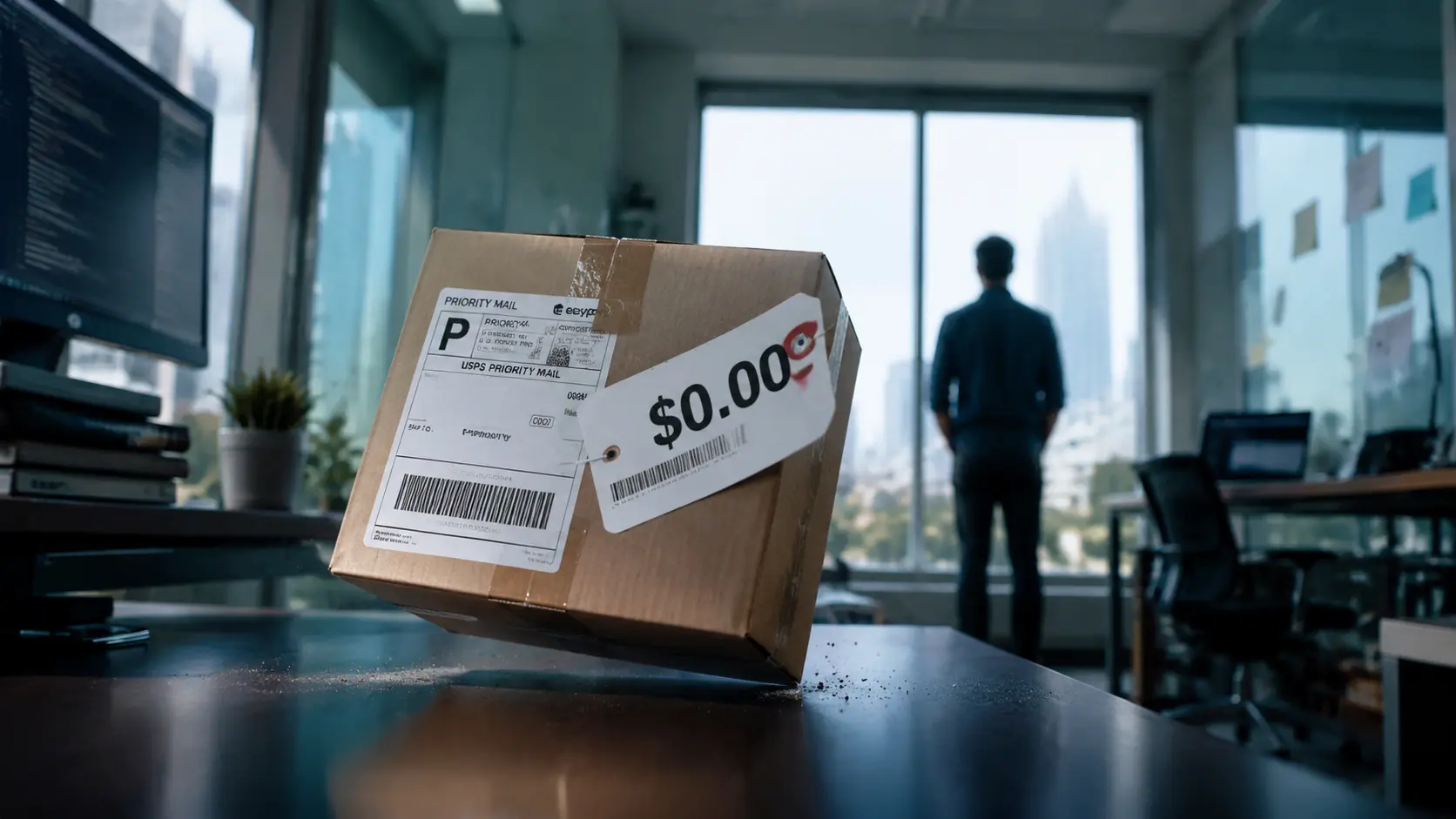
Supporting smart purchasing requires direct updates in the data feed and underlying code. The Merchant Center account must be set up as the primary bridge for data transfer.
Activating the native_commerce attribute in the Merchant Center feed
To register your store for direct purchasing, you must add the native_commerce attribute. I advise using supplemental feeds to apply it without affecting the primary feed. Ensure the merchant_item_id code matches your specific payment application programming interface. In a project with the TwiceBox agency, we discovered mismatched identifiers causing rejected orders. Resolving this programming gap successfully reactivated the products within just twenty-four hours.
Synchronizing structured Schema data with the product feed
Search engines rely on matching structured on-site data with the product feed. You must update Product, Offer, and Review coding automatically and continuously. Any difference in price or availability between the site and the feed rejects the process. You can integrate automated service messages and alerts to notify your team immediately upon sync failures. This synchronization ensures the stable appearance of your products before artificial intelligence agents.
Preparing semantic attributes for conversations: Availability, FAQs, and compatibility
Smart conversations require accurate data to answer complex user questions effectively. Add live inventory information and direct responses to frequently asked questions. Provide compatibility data for accessories and sizes, such as product fit for a specific model. These updates make your product the top choice for artificial intelligence during recommendations. Preparing the data is the first step, but you also need to rebuild your entire SEO strategy.
SEO strategy for the agent era: From optimizing clicks to optimizing automated purchases

The shift toward automated commerce requires redefining success metrics and the tactics used. Your efforts must focus on appearing in the recommendation layer instead of regular search results.
How to reset KPIs from CTR to agent purchase rate?
Shift your focus from gathering traffic to measuring product inclusion frequency. New metrics include the number of sales executed via the unified cart and automated order values. On the Hcouch Digital blog, I previously noted that direct sales are the true success standard. If you keep evaluating your team based on visitor counts, you will miss real sales.
Optimizing products for long contextual queries
Users today search with complex queries that include multiple and highly specific conditions. For instance, they might seek the best running shoe for flat feet under one hundred fifty dollars delivered by Friday. To meet these requests, you must include detailed attributes within the product feed. This programmatic enrichment helps the agent find your product and match it instantly with the request.
Maintaining brand control and customer data despite automation
When completing a purchase via the Google UCP protocol, you remain the official registered seller. You retain full control over product prices, shipping policies, and return procedures. You continue to own first-party data and your direct relationship with customers. This approach balances the ease of automated purchasing with maintaining complete store independence.
Ten years of experience: What official documentation misses when linking Merchant Center to AI
When I first applied direct purchasing attributes in the Merchant Center feed, I thought it was enough. After launching the update on a large retail store, I discovered that forty percent of automated orders failed. The reason was not mentioned in the official documentation. It was actually due to a slight difference in currency and inventory format strings. Artificial intelligence does not tolerate instantaneous differences in data. If the system finds the available size differs by a single second from the store API, it cancels the transaction. We created a middleware server equipped with a Webhook protocol to update inventory instantly upon any change. The automated transaction completion rate rose from sixty percent to ninety-eight percent within a single week. The practical lesson here is to avoid relying on daily scheduled synchronization. Instead, you must create an immediate and instantaneous live connection.
Frequently Asked Questions
What is the Google UCP protocol?
It is an open-source technical standard developed by Google with platforms like Shopify to facilitate AI e-commerce. The protocol acts as a common language allowing users to search, compare, and buy directly from Google interfaces.
Is using the Google UCP protocol expensive for e-commerce stores?
Since it is an open-source standard, there are no direct fees for using it. The real cost lies in the technical effort to prepare product data and update the Merchant Center account. You also need to synchronize structured data with your store infrastructure.
What is the difference between the Google UCP protocol and traditional SEO?
Traditional SEO aimed to bring traffic and clicks to your website. With this protocol, the goal shifts to completing sales directly through the artificial intelligence layer. Customers buy through the unified Google cart without visiting your site.
How can I prepare my store to support AI purchases?
The update begins by optimizing your Google Merchant Center account and adding the native_commerce attribute. Ensure product identifiers match your payment API and update shipping policies and structured data.
Are sales via AI tools safe and do they protect merchant rights?
Yes, transactions occur through encrypted digital wallets and ensure you remain the official registered seller. You retain full control over prices and return policies while keeping your customers’ first-party data.
Experience summary: The beginning of the automated buying era
The shift toward artificial intelligence commerce is not just a passing technical update. It is a complete restructuring of digital purchasing behavior. The practical step you can start today is reviewing your Merchant Center account. You must also confirm the readiness of your data feed. Is your store ready today to sell its products to artificial intelligence agents? Or are you still waiting for visitors who might never actually arrive?
Discover more from أشكوش ديجيتال
Subscribe to get the latest posts sent to your email.
![اربط حملات Demand Gen ببيانات الأعمال [دون Merchant Center]](https://hcouchd.com/wp-content/uploads/2026/10/file_000000006ee0820d8e6f2e39828222cd-1024x576.webp)
![إطلاق تحديث AI Overviews لزيادة نقرات موقعك [أهم الأخبار]](https://hcouchd.com/wp-content/uploads/2026/10/file_00000000b58881f5b3423f2d1585d9ee-1024x576.webp)
![ضاعف أرباح إعلانات Google Ads للفروع المتعددة [5 أسرار]](https://hcouchd.com/wp-content/uploads/2026/09/file_0000000060c081f58e0e7cfa4922ea6d-1024x576.webp)