Automating technical screening with AI interviews saves time. However, it might eliminate top talent if executed poorly. I learned this lesson the hard way.
In one project, a client rushed to automate the entire screening phase without human intervention. The result? Excellent developers were rejected. Off-the-shelf evaluation criteria missed their deep understanding. I personally expected the out-of-the-box system to work. I was just copying questions from old templates. They did not even reflect actual job requirements. It was embarrassing to realize I wasted a week building a black box.
The real problem lies in relying on generic criteria. This makes integrating AI interviews a mere formality. The system rejects true competence. It passes those who just game the keywords. Bridging this gap requires taking a step back. Involve department managers in building precise criteria. Do this before writing a single interview question.
- Choose High-Volume Use Cases and Start with a Pilot
- Involve Hiring Managers in Designing Evaluation Criteria for AI Interviews
- Ensure Transparency with Candidates and Maintain a Human Review Path
- Integrate Directly with Applicant Tracking Systems and Assessment Tools
- Define Clear Success Metrics Before Launching the System
- Train Recruiting Teams to Accurately Interpret System Outputs
- Periodic Review and Recalibration of Questions and Criteria
- Avoid Common Mistakes to Ensure Long-Term Implementation Success
- Not Every Tool Works: Lessons from 10 Failed Projects Before Success
- Experience Summary
Choose High-Volume Use Cases and Start with a Pilot
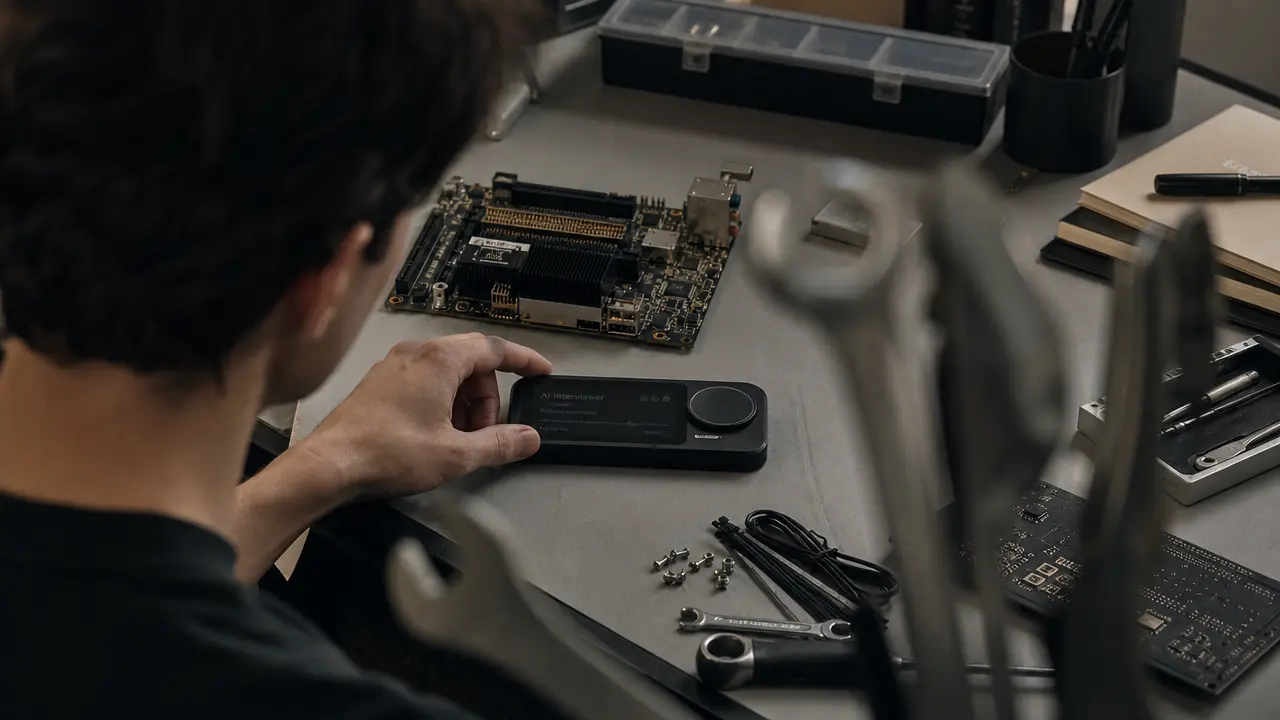
Do not automate every role at once. This is a common and costly mistake. Choose a single high-volume role. Ensure its questions are relatively standardized. This way, you gather statistically significant data quickly.
Identify the Right Role for the Initial Automation Phase
The best candidate is an early-stage technical role. Think junior developer or software tester. These roles receive hundreds of applications. The questions are highly standardizable. In one experiment, we chose a front-end developer position. Application volume exceeded 300 per month. We used AI interviews to check fundamentals. We targeted JavaScript and CSS questions. The result was clear data within two weeks.
Run the System in Parallel with Human Processes to Collect Data
Run the system alongside human interviewers. Test it on the exact same candidates. Do this throughout an entire hiring cycle. This is the core of the pilot phase. Compare automated evaluation scores with human assessments. In our case, we found a 30% deviation in performance questions. The system rejected correct but unconventional answers. This discovery pushed us to adjust evaluation criteria immediately. We did this before expanding to other roles.
This direct comparison between machine and human is the best way to tune the system. Without it, your criteria remain just a guess.
Involve Hiring Managers in Designing Evaluation Criteria for AI Interviews

Off-the-shelf evaluation templates are the ultimate enemy. If engineering managers do not help build them, the system produces noise. It does not yield useful signals. Remember that your engineers know what a strong answer looks like. Invest their time in defining the criteria.
Define Strong Answers Based on a Precise Job Description
Do not use a generic job description from the internet. Bring in the actual job description for the role. Sit down with the team lead. Ask them what distinguishes an excellent answer from an average one. Once, we used a React developer description. We extracted seven core skills from it. We defined three evaluation levels for each skill. The result was criteria that reflected ground reality. The system became capable of distinguishing deep answers.
Avoid Generic Criteria and Customize Questions for Team Needs
Choose a platform that allows job description uploads. It should ask exploratory questions to align expectations. This is what I recommend over rigid templates. As the HackerRank practical implementation guide advises, involving stakeholders early prevents evaluation gaps later. A good tool asks how you measure critical thinking in this context. This dialogue builds a bridge between human and automated expectations. Do not just copy questions from the internet.
Without this customization, AI interviews remain just a guessing game. You will lose managerial trust after the very first hiring cycle.
Ensure Transparency with Candidates and Maintain a Human Review Path
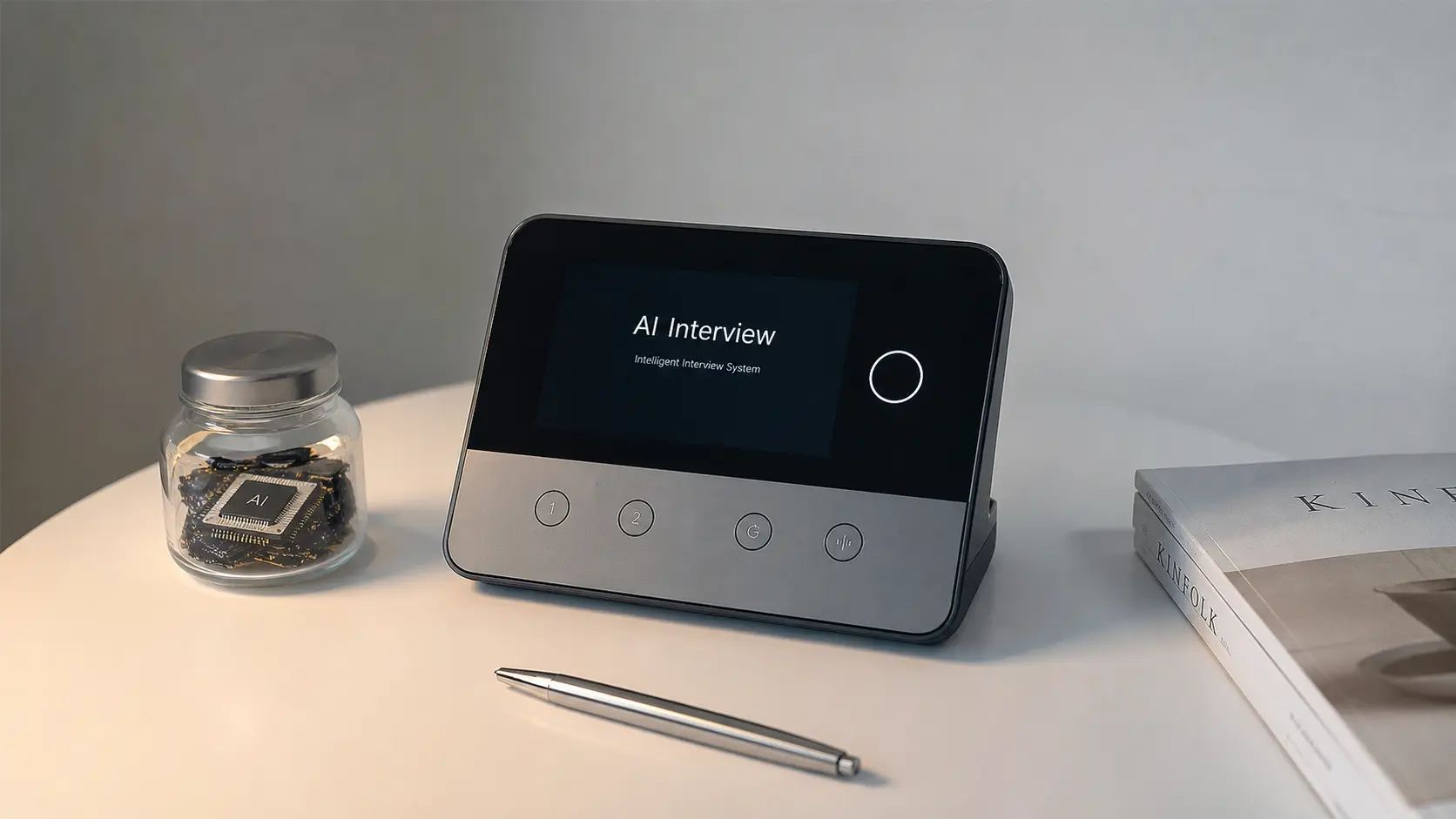
Trust is not built through surprises. Hiding the fact that the interview is automated damages your reputation. Be clear with candidates from the very beginning. At the same time, design an exit route for cases the system misunderstands.
Inform Candidates in Advance About the Automated Evaluation and Next Steps
Send the candidate a clear message. Explain that this is an initial screening stage. State that an AI tool conducts it. Tell them how their answers are evaluated and what happens next. This reduces anxiety. It also protects your employer brand. In a practical application, we added one sentence. It stated that an engineer would review their evaluation before the next stage. The result was a 22% increase in interview completion rates.
Create an Escalation Path for Borderline Cases and Unusual Answers
Not every candidate fits the template. A brilliant programmer might get a mediocre score. This could happen due to an unconventional answer. Here, you need a human review mechanism. Design a rule where any score between 60% and 75% goes to a human reviewer. Flag any highly unique answers as well. This protects against losing talent. It also ensures legal compliance. In our system, we assigned engineers to review these cases weekly. It took only two hours. However, it saved three excellent candidates in the first month.
Transparency and human review are not luxuries. They are essential requirements for successful AI interviews in your organization.
Integrate Directly with Applicant Tracking Systems and Assessment Tools
A tool living in a separate tab gets forgotten. Recruiting teams ignore it under work pressure. This is the fate of any unintegrated system. Manual copy-pasting of results stops after two weeks.
Avoid Manual Entry to Ensure a Smooth Workflow
Imagine a recruiter opening the platform. They copy the score and paste it into the ATS. Then they repeat this fifty times a day. This is a failing scenario. Manual entry kills adoption. In one project, the team completely ignored the system after ten days. The results were not flowing automatically into Greenhouse. The solution was simple. We activated direct integration.
Choose Platforms that Support Automatic Connection with Your Current Environment
Before buying, ask if it integrates with your current system. Results must reach the workflow immediately. This must happen without human intervention. Focus on platforms supporting an open API. Alternatively, look for ready-made integrations with tools like Lever or Workday. Just as we discussed previously in our article on surpassing BeautifulSoup with AI data extraction, seamless system connection makes the difference. Choose a platform that makes evaluation part of the team’s daily routine.
When data flows smoothly, AI interviews transform from a burden into an indispensable tool.
Define Clear Success Metrics Before Launching the System
Without predefined metrics, you will not know if the system is successful. It might just be an extra step. Define what the system works actually means. Monitor these indicators from day one.
Measure the Time Taken to Reach the First Real Evaluation
The most important metric is Time-to-first-interview. How many days pass from application to the first actual evaluation? Before the system, we waited seven days on average. After the pilot run, the number dropped to 1.5 days. This is a direct saving in engineering time. Calculate the hours you saved. This includes not just conducting interviews, but also time wasted scheduling them.
Track Satisfaction Rates and Result Consistency Across Demographics
Send a short survey to every candidate. Ask about their experience with the automated interview. Did they feel it was fair? Were the instructions clear? This is your Candidate NPS. Additionally, track candidate pass rates. Compare them across demographic backgrounds. Any significant variance requires immediate review. This is not optional. It is a continuous sanity check protecting your organization from bias.
These metrics turn AI interviews from a black box into a measurable process.
Train Recruiting Teams to Accurately Interpret System Outputs

The score is not the final decision. It is merely a signal. The most dangerous mistake is treating the score as an absolute judgment. Train your team to understand what lies behind the number.
Understand the Confidence Level Behind Every Score and Recommendation
The system will display a score. However, the confidence level is more important. An 80% score with 60% confidence is not a pass. It is a red flag. In our training, we ask recruiters to read the full evaluation text. Do not just look at the score. Sometimes, a candidate with a 70% score shows deeper understanding than one with 85%. You will not see this difference if you stop at the abstract number.
Treat Results as Signals, Not Final Closed Decisions
I once compared the system to a smart assistant. It is not a judge. It provides recommendations. But the team makes the final call. In a workshop, I showed them cases where the system rejected a candidate. After reading the transcript, they discovered brilliant answers. The final decision remained human. This approach built the team’s trust in the system. It did not replace their judgment.
This deep understanding of outputs distinguishes a mature organization using AI interviews.
Periodic Review and Recalibration of Questions and Criteria

Technology changes. Roles evolve. The system you build today will be outdated in six months. Do not let it run without supervision. Schedule a quarterly review.
Update the Question Bank to Keep Pace with Evolving Role Requirements
Every three months, sit down with team managers. Ask them if role requirements have changed. Have new technologies emerged? In the React team, we recently added questions about Server Components. They became essential. We removed old questions about unused tools. This review keeps the system’s signal fresh. Otherwise, the interview will measure skills that are no longer required.
Immediate Adjustments Based on Language Model Updates and Feedback
Service providers update their models. You might suddenly notice scores rising or falling. This is not your fault. However, it requires you to recalibrate. Dedicate one hour monthly to review a random sample of interviews. Compare the automated evaluation with your personal assessment. If you find a deviation, adjust the weights. This is the difference between a living system and a neglected one.
This continuous cycle makes AI interviews an evolving partner. It prevents them from becoming a stagnant technical legacy.
Avoid Common Mistakes to Ensure Long-Term Implementation Success

To summarize the experience, there are four fatal mistakes. I have seen them repeat in many projects. Avoiding them ensures the system’s continuity. It prevents the scenario of launching and then neglecting it.
Do Not Scale Before Verifying Criteria Quality and Pilot Testing
Scaling the system to ten roles two weeks after testing is a disaster. You will discover criteria problems. But this happens after bad results affect hiring decisions. Stick to the pilot phase for a full cycle. Do not move forward until you are convinced the correlation coefficient between automated and human evaluation is acceptable.
Do Not Leave the System Running Without Human Supervision or Continuous Development
A set-and-forget system is a delayed failure. Complaints from managers will start. Candidates will feel frustrated. The platform will quietly be abandoned after six months. This is the scenario I have seen repeat. I remember a client asking why they pay for a subscription no one trusts. The failure was not technical. It was human neglect of maintenance and development.
These mistakes are not obscure. However, they require organizational discipline. This is the most important lesson in applying AI interviews.
Not Every Tool Works: Lessons from 10 Failed Projects Before Success
I remember my first project in this field. It was for a mid-sized software company. We used a well-known tool. But we ignored integrating the actual job description. We relied on default questions. The result was confusing. Excellent candidates were rejected. Accepted candidates failed the subsequent human interview. I felt like I delivered a talent-rejecting robot to the client.
The real lesson came after five projects. I realized the secret is not in the tool. It is in feeding the system a precise job description. Then, making it ask exploratory questions. A platform like the HackerRank AI Interviewer allows this. You upload the job description. You ask the system what skills to measure. Then you build graded criteria. This initial customization took me three hours. But it saved 40 hours of reviewing wrong results later.
In another project, we compared two systems. One used generic criteria. The other was customized. The difference in evaluation accuracy was 45%. Subsequent human interviews confirmed the custom system was right 90% of the time. The generic one was right only 50% of the time. This is not a theoretical number. It is from real data.
Since then, I start every project with an onboarding session. I gather hiring managers. We review the job description carefully. We extract core skills. We define performance levels. Then we program the questions. These first hours are an investment. It is not just technical setup. It ensures the system speaks your team’s language. It does not speak the vendor’s language.
What are AI interviews in hiring?
They are technical tools for automating initial candidate screening stages. They ask questions and classify answers based on predefined criteria. Their benefit shines in high-volume technical role tests. They help standardize evaluation metrics and speed up screening before advanced human interviews.
Do AI interviews reduce hiring costs?
Yes, the direct return is saving long hours in initial interviews. By automating early screening, the time from application to first evaluation shrinks. This clearly lowers operational costs. This is especially true if the platform integrates successfully with existing applicant tracking systems.
What is the difference between AI interviews and traditional human interviews?
The automated tool focuses on fast, standardized screening according to clear metrics. However, it might lack flexibility in understanding complex cases. Therefore, it does not replace the human interview. It precedes it to filter candidates. Maintaining a human review path for borderline cases remains essential.
How do I start integrating AI interviews into my company’s practical scope?
Start on a small scale. Choose a single high-demand job role. Involve hiring managers immediately in designing evaluation criteria. Then launch a pilot period comparing the tool’s results with human evaluator assessments. This gradual approach allows correcting mistakes before scaling.
Is relying on AI to evaluate candidates considered reliable and fair?
Evaluations are fair if built with hiring manager participation. This requires full transparency with candidates regarding the interview nature. To ensure ongoing credibility, track pass rates across demographics. Update the question bank periodically to keep pace with actual job requirements.
Experience Summary
AI interviews are not a magic wand. They are an amplifier for your existing processes. If your criteria are fragile, they will accelerate failure. If they are solid, they will accelerate success. Start today by reviewing one job description with the team lead. Ask them what if we built our criteria ourselves. You might discover the tool is not the problem. The problem is the questions you have not asked yet.
Discover more from أشكوش ديجيتال
Subscribe to get the latest posts sent to your email.
![أتمتة المقابلات التقنية عبر الذكاء الاصطناعي [دليل عملي]](https://hcouchd.com/wp-content/uploads/2026/09/file_000000004e2881fd80ca5d541ab0de2b-1024x576.webp)
![تصميم أنظمة الذكاء الاصطناعي للتجارة بتدخل بشري [مع أمثلة]](https://hcouchd.com/wp-content/uploads/2026/09/file_00000000dfdc8230b71e09206ed024dc-1024x576.webp)