
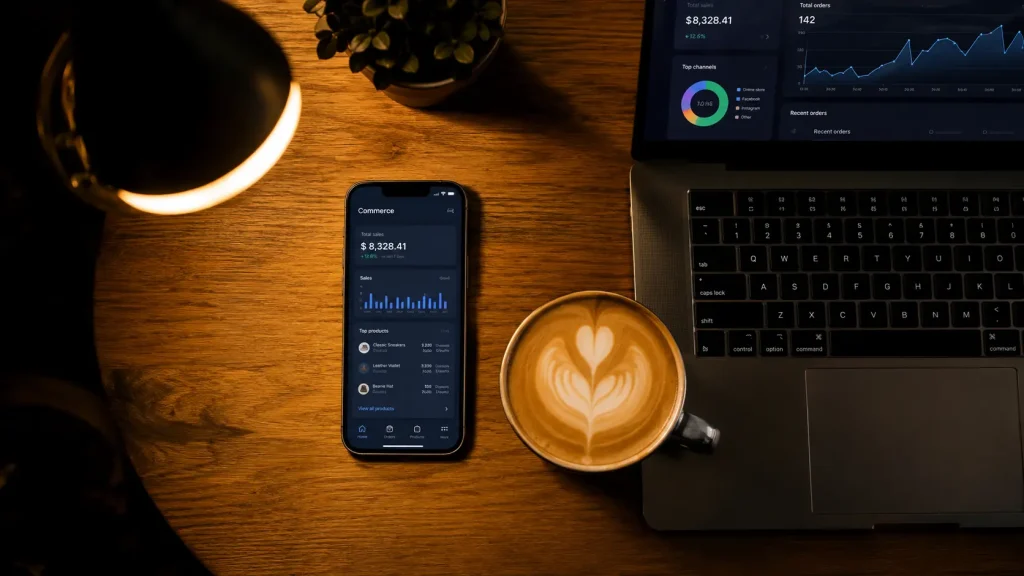
Every time a visitor leaves your store on mobile without buying, you lose more than a single sale. You lose your entire investment in mobile commerce. I recall a late-night call with a client. They poured their entire ad budget into driving traffic. They blamed their product selection. The reality was much simpler. I also only reviewed the store on my desktop computer. I forgot my eyes struggled with small screens after years of digital fatigue. Sixty percent of visitors arrived from smartphones. I later discovered thousands abandoned their carts. They left because the checkout design ignored thumb navigation. Slow load times also drove them away. I was fooling myself. The site was actively repelling customers. We completely rebuilt the checkout flow. We shortened unnecessary fields. We added one-tap payment options. Abandoned carts dropped immediately. Sales rose without adding a single cent to ad spend. The lesson is clear. Driving traffic means nothing if your checkout treats customers like desktop users from 2015.
- Fundamentals of mobile commerce and how it differs from traditional ecommerce
- Strategies for doubling sales via smart replacement and upgrade offers
- Automating pricing and promotional offers for seamless checkout
- Measuring performance and overcoming mobile UX challenges
- Three-year summary: The mistake I repeated twice before enabling digital wallets
- Frequently asked questions
- Conclusion: Fixing the checkout flow beats doubling your ad budget
Fundamentals of mobile commerce and how it differs from traditional ecommerce
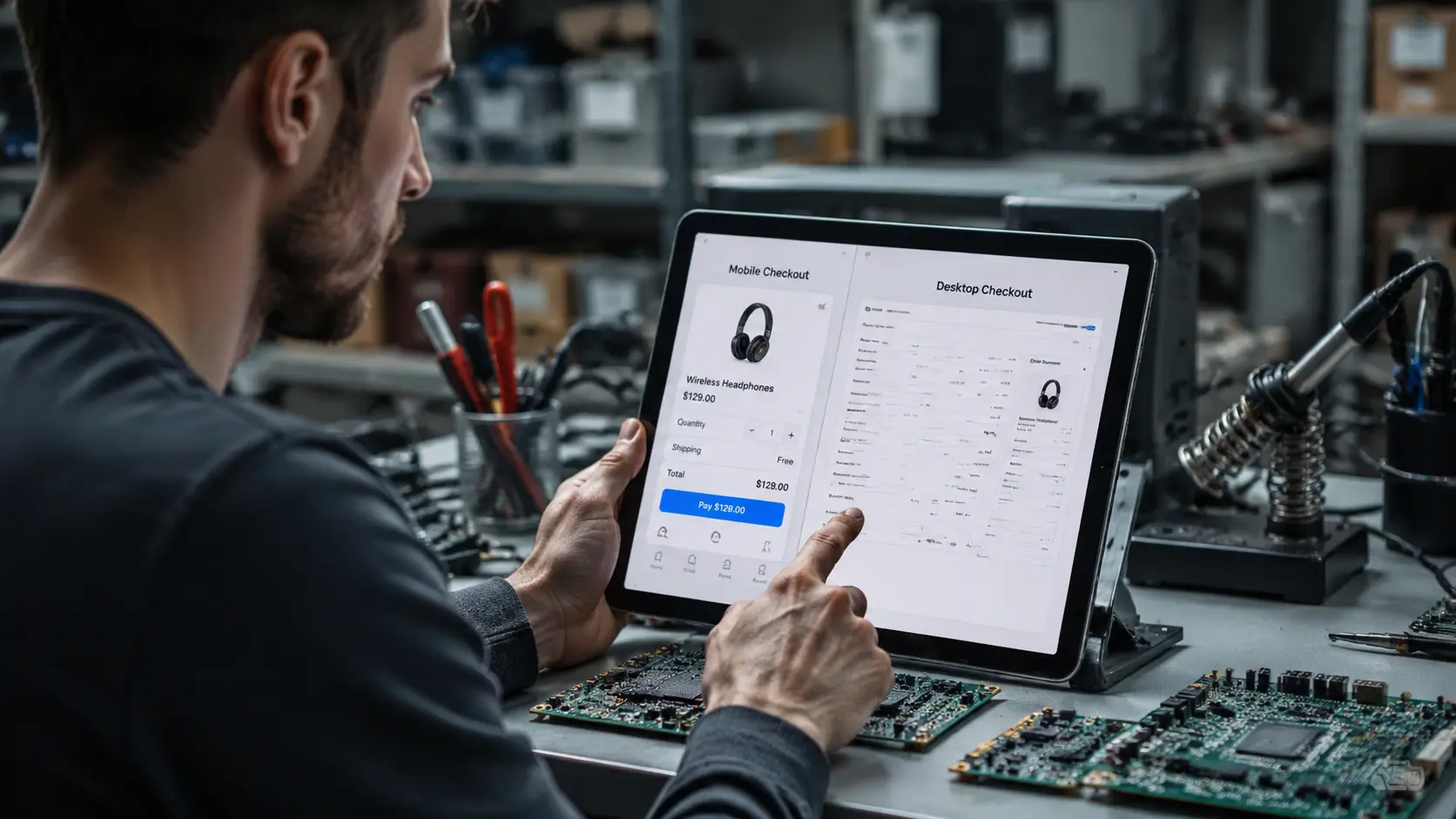
Mobile commerce is not a scaled-down version of traditional ecommerce. It completely rewrites the rules of engagement. What looks flawless on a twenty-seven-inch monitor becomes a nightmare on a six-inch screen.
The core difference between desktop and mobile experiences
Mouse clicks and high precision do not work for thumbs. Load times must stay under three seconds. Otherwise, visitors will leave immediately. Estimates from the Omnisend guide indicate that sixty percent of online sales now come from phones. Optimizing for mobile is no longer a luxury. It is the actual storefront today.
Why smartphones are the primary shopping channel in 2026
Smartphone traffic surpassed desktop computers years ago. Customers open their phones during brief idle moments. They compare prices and decide to purchase within seconds. If they cannot find a clear buy button and a fast checkout, they will visit your competitor. This reality forces every design decision to prioritize phones first.
This shift in priorities leads directly to smarter strategies. These strategies outperform random discounts. They focus on targeted replacement and upgrade offers.
Strategies for doubling sales via smart replacement and upgrade offers
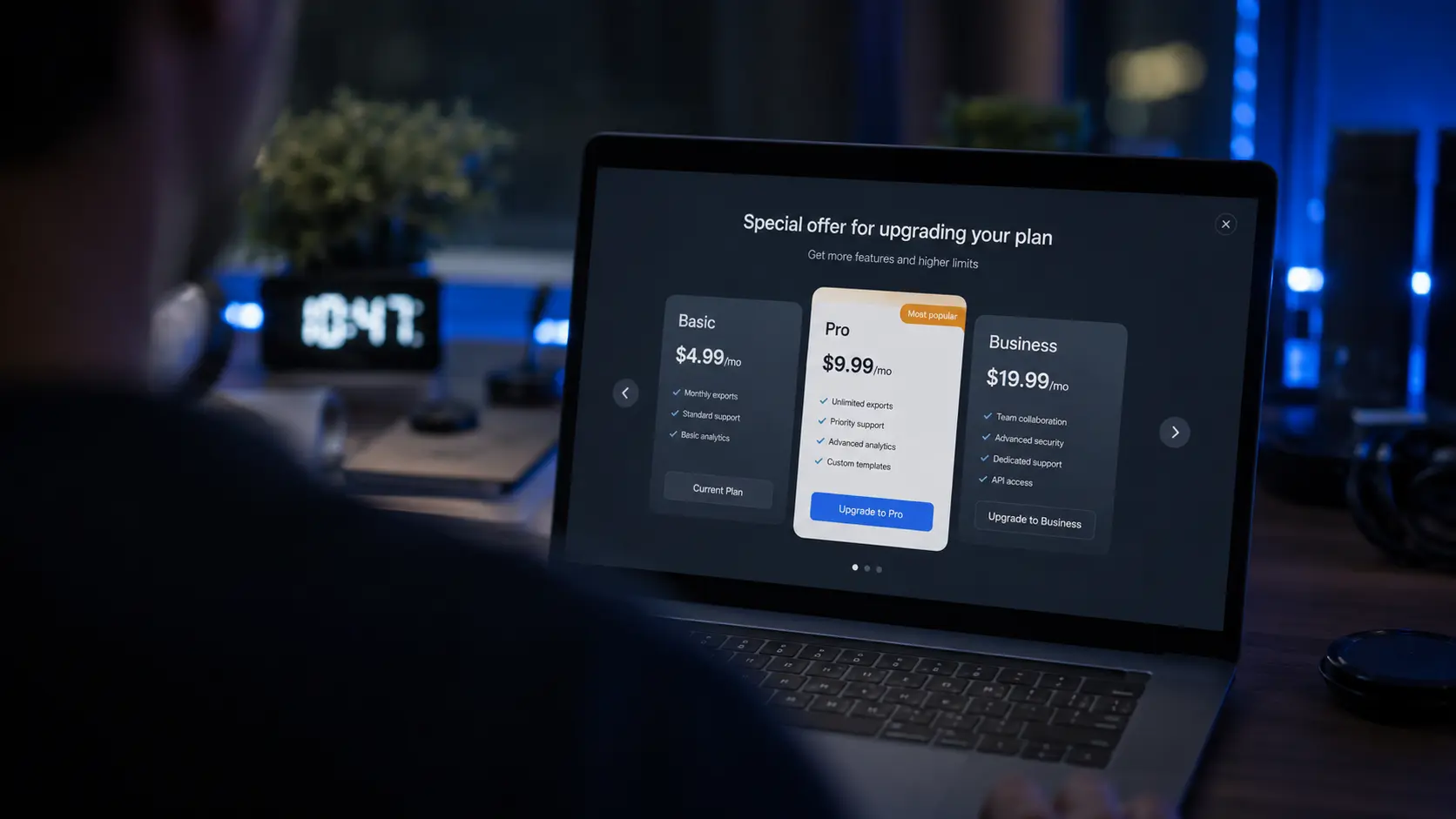
I feel frustrated when I see stores relying on random discounts as a magic solution. Discounts devour profit margins without building genuine loyalty. A smarter alternative exists. It involves personalized replacement and upgrade offers.
Leveraging replacement offers to boost loyalty and revenue
I recall an electronics client who needed better margins. We integrated the Assurant POS platform to offer instant replacement deals. The system analyzes the customer’s current device value. It suggests a custom upgrade at a reduced price. This happens during the final checkout step. Instead of generic discounts, we gained market share. Customer satisfaction also increased significantly. Initially, I feared the API integration would be a technical nightmare. It was actually easier than organizing my pantry.
Key metrics for measuring replacement program success
Measuring success requires data, not just impressions. I tracked three specific indicators. These included improved profit margins, offer acceptance rates, and customer satisfaction scores. Margins improved because customers paid a portion of the upgrade cost. Acceptance rates rose because the offer arrived at the perfect moment. All of this occurred without burning budgets on untargeted discounts.
Customization alone remains insufficient if prices are random. Smart automation must step in next.
Automating pricing and promotional offers for seamless checkout

Manually pricing devices feels like walking through a minefield. Market conditions change every single hour. A minor discount could trigger a disaster or create a major opportunity. I eventually switched to AI-powered pricing engines.
Dynamic pricing driven by intelligent price intelligence
I utilized the proprietary engine provided by Assurant. It relies on machine learning to compare device values across thousands of SKUs. The engine recommends the optimal offer at the exact right moment. Profit margins improved immediately. Price adjustments became significantly faster. Once, a typo in my pricing table listed a product below cost. I received more orders than anticipated. The profit margin was actually negative. Automation saved me from repeating that expensive mistake.
Automating promotional offers through unified engines
Instead of managing promotions manually, we integrated a Unified Promo Engine via API. This system automatically selects the best credits from carriers and manufacturers. Average replacement values increased steadily. Program efficiency improved across the board. Customer satisfaction followed the same upward trend. I learned that AI value extends beyond raw speed. It also helps convince key decision-makers. You can read more about this in my article on AI value for stakeholders.
Once prices and offers become intelligent, the biggest challenge remains. You must measure actual mobile performance. You must also overcome persistent UX hurdles.
Measuring performance and overcoming mobile UX challenges

You cannot improve what you refuse to measure. In mobile commerce, the correct metric reveals exactly where revenue leaks.
Essential mobile commerce key performance indicators
Core metrics include the mobile conversion rate. You must also track average order value. The cart abandonment rate requires equal attention. Compare these numbers directly with desktop performance. In one specific project, mobile conversion was exactly half of desktop conversion. After implementing targeted optimizations, the gap gradually closed. The key is weekly monitoring. You must adjust your design based on hard data. Never rely on personal intuition alone.
Overcoming security and network performance hurdles
Security is mandatory, not optional. You must implement SSL certificates immediately. You must also comply with PCI DSS standards. These standards protect sensitive payment data. For performance, you should adopt Core Web Vitals. These metrics measure load speed and visual stability. The ideal mobile store must run smoothly on 4G and 5G networks. Any extra delay directly reduces your sales.
These technical challenges become much clearer. This clarity comes from reviewing years of experience. It also comes from recognizing one recurring mistake.
Three-year summary: The mistake I repeated twice before enabling digital wallets
Initially, I told a client that digital wallets were merely a passing trend. I refused to integrate Apple Pay and Google Pay. I firmly believed customers enjoyed typing sixteen digits on small keyboards. Then I reviewed the cart abandonment dashboard. The numbers were truly shocking. Over seventy percent of mobile shoppers left during checkout.
I remember opening the analytics dashboard after enabling one-tap payment. Abandonment rates dropped by half within the first week. I felt completely foolish. I wasted two years of project momentum on a false belief. Today, any store without digital wallets loses sales every single minute.
Integrating digital wallets is not technically complex. Most major platforms like Shopify enable it with a single click. The lesson is straightforward. Do not trust your intuition when data is present. Even if your intuition claims people love typing numbers.
Frequently asked questions
What is mobile commerce and how does it work?
Mobile commerce focuses exclusively on selling goods via smartphones and tablets. It works by optimizing websites and apps. It also simplifies digital payments. This creates a fast shopping experience. The experience perfectly matches small screens and fast user habits.
What is the investment cost for startups?
There is no fixed startup cost. You can begin by optimizing your current site. Making it responsive for phones costs very little. Developing a custom application increases expenses. Development, maintenance, and marketing drive these costs. You must also avoid high app abandonment rates.
How does mobile commerce differ from traditional ecommerce?
Traditional ecommerce covers all online transactions. Mobile commerce is a specific subset. It targets smartphones exclusively. It requires load times under three seconds. It demands thumb-friendly navigation. It also requires one-tap payment options.
How can I increase sales on my mobile store?
Improve your page load speed immediately. Reduce checkout steps to a minimum. Enable digital wallets like Apple Pay. Use concise push notifications and personalized SMS. Integrate your products directly into social feeds. This enables direct in-app purchasing.
Is mobile commerce secure for customer data?
Yes, it is highly secure. You must use SSL certificates. You must also follow PCI DSS guidelines. Biometric payments add an extra security layer. Fingerprint and facial recognition build strong customer trust.
Conclusion: Fixing the checkout flow beats doubling your ad budget
Real revenue in mobile commerce does not come from acquiring new visitors. It comes from removing friction during checkout. A smooth and fast mobile checkout delivers higher returns. This return far exceeds any paid advertising campaign.
If you still believe your store is perfect, run a simple test. Ask a colleague to purchase from your site. Use a smartphone with nearly full storage. Watch their reaction after ten seconds. You might need to rethink your strategy.
Discover more from أشكوش ديجيتال
Subscribe to get the latest posts sent to your email.
![اربط حملات Demand Gen ببيانات الأعمال [دون Merchant Center]](https://hcouchd.com/wp-content/uploads/2026/10/file_000000006ee0820d8e6f2e39828222cd-1024x576.webp)
![إطلاق تحديث AI Overviews لزيادة نقرات موقعك [أهم الأخبار]](https://hcouchd.com/wp-content/uploads/2026/10/file_00000000b58881f5b3423f2d1585d9ee-1024x576.webp)
![ضاعف أرباح إعلانات Google Ads للفروع المتعددة [5 أسرار]](https://hcouchd.com/wp-content/uploads/2026/09/file_0000000060c081f58e0e7cfa4922ea6d-1024x576.webp)