SEO and AI: How AI Overviews Are Reshaping Search Results
The game changed completely when SEO and AI met in the search results page. Clicks are no longer the only measure of marketing success. One client’s e-commerce store saw traffic drop by forty percent overnight. The rescue plan deadline was Thursday at eight in the morning. I sat in my Casablanca office at two in the morning. I kept checking Search Console like a fool. I kept changing meta descriptions, ignoring that summaries were eating our clicks. I drank my third coffee and faced the painful truth. Traditional keyword tracking is useless against direct answers. I stopped guessing and connected the client’s domain to Otterly. I discovered we were not mentioned in any AI Overview. We restructured three articles by adding FAQ sections with clear answers. We got five citations within just fourteen days. We regained brand presence and client sales increased significantly. Arab creators deserve practical shortcuts to understand these technical shifts.
- What Are AI Overviews? How They Redefine Search and User Behavior
- The Zero-Click Era: Why SEO Success Metrics Must Change
- What Triggers an AI Overview? Decoding the Signals to Secure Your Content
- SEO and AI: An Indispensable Duo in a Complete Optimization Program
- Engineering Quotable Content: On-Page Optimizations That Attract AI Overviews
- Off-Site Strategy: YouTube and Reddit as Hidden Drivers for Brand Visibility
- Measuring and Diagnosing Impact Beyond Clicks: From Guessing to Clear Vision
- Beyond AI Overviews: Expanding Visibility Across All Answer Engines
- What Otterly Revealed After Fifty Answer Engine Optimization Projects
- Conclusion
What Are AI Overviews? How They Redefine Search and User Behavior
What Is the Difference Between an AI Overview and AI Mode?
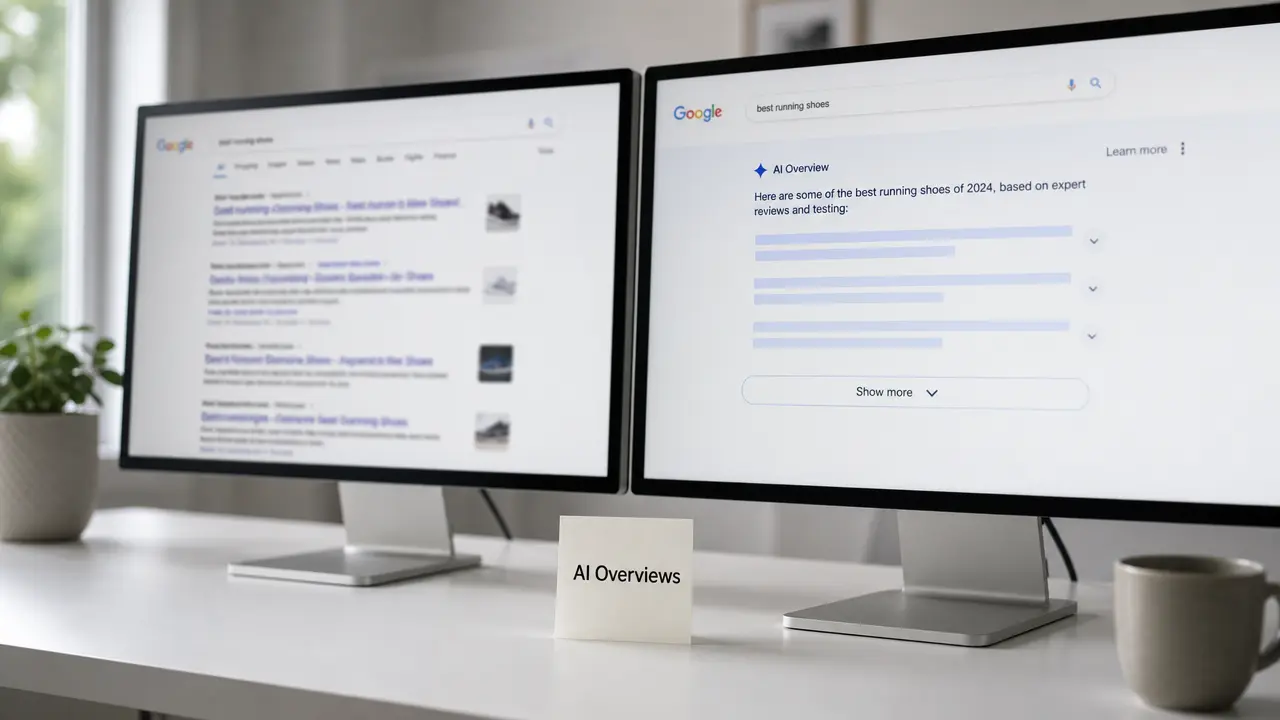
AI Overviews provide a direct, synthesized answer at the top of the page. These summaries pull from multiple sources and appear above the fold. AI Mode offers an interactive, ongoing conversation experience. This mode feels like chatting with a traditional chatbot. You can ask follow-up questions in AI Mode. AI Overviews only give one final answer.
How Do AI Overviews Dominate Above-the-Fold Space?
These summaries monopolize screen space and reduce click opportunities. Users get their instant answer without needing to scroll. Traditional links appear below in much smaller sizes. Users ignore traditional blue links down there. This change forces us to redesign content interfaces.
Why Is Being First in Search Results Not Enough?
Semrush data shows the first result appears only 34% of the time. Your site can rank first and still miss the AI Overview entirely. I worked on a tech blog project that faced this exact problem. We topped traditional results, but a smaller competitor got the AI Overview. We rewrote the introduction to answer user intent directly. We regained AI Overview placement within two weeks. You must understand user intent more deeply. The direct answer in the first line makes the difference.
This technical understanding sets the stage for the shocking numbers in the next section.
The Zero-Click Era: Why SEO Success Metrics Must Change
The Sharp Decline: How AI Overviews Hit Click-Through Rates
Organic clicks dropped by 38% with the arrival of these summaries. Zero-click searches rose from 54% to 72% recently. These statistics confirm the end of easy free traffic. You need an immediate contingency plan. Relying on clicks alone is now a huge risk.
From Clicks to Mindshare: New Metrics for Success
Clicks are no longer the only measure of your strategy’s success. Focus on visibility metrics, share of voice, and citations. Your brand appearing in the answer builds trust even without clicks. The human brain automatically connects the answer to your brand. This mindshare generates long-term sales.
Is HubSpot Traffic Declining? A Look at Reality
A recent study on AI Overview impact showed HubSpot customer traffic dropped by 27%. This widespread decline proves the problem is not your content. The problem is the platform itself changing fundamentally. I faced this decline with a software sector client. His traffic dropped despite ranking for major keywords. We shifted focus from clicks to measuring share of voice. His direct sales improved even as website traffic fell. Do not blame your content team for this decline. Adapting to new algorithms is the only solution.
Knowing the cause of decline pushes us to find the technical triggers for these summaries.
What Triggers an AI Overview? Decoding the Signals to Secure Your Content

Informational Keywords Are the Main Gateway, But Commercial Ones Follow
Informational intent dominates most AI Overviews right now. But commercial queries grew significantly over one year. Do not assume your pricing pages are safe from this update. Comparison pages show notable growth in citations. Watch your competitors on these commercial pages closely.
Questions Starting With “What,” “How,” and “Is” Are Most Targeted
These questions account for 57.9% of AI Overviews. The language model prefers direct answers to these queries. Use clear, direct language in your first paragraphs. Avoid long introductions that do not answer the question.
Long-Tail and Non-Branded Queries: A Golden Opportunity
Long-tail queries increase appearance probability to 46% easily. Non-branded queries are more likely to trigger an AI Overview. I worked on optimizing an e-commerce store selling camping gear. We targeted long questions about choosing tents for beginners. Our products appeared in the AI Overview and sales increased. Users search for detailed, specific solutions. Comprehensive content covers these long-tail queries perfectly.
Understanding these triggers requires integrating them with traditional SEO strategies.
SEO and AI: An Indispensable Duo in a Complete Optimization Program
Why Traditional SEO Is Still the Backbone
Gemini models rely heavily on existing search systems. Good rankings in results remain a basic condition for appearing. You cannot ignore technical fundamentals and content quality at all. Site speed and mobile compatibility remain essential. Technical errors block crawling and destroy appearance chances.
Answer Engine Optimization (AEO): Tactics With No SEO Equivalent
AEO focuses on topical breadth and complex conversational queries. This approach relies on building entity signals off-site. I recently read about the AI marketing myth and effort efficiency. This reading confirms that quality beats blind automation. Language models prefer trusted, context-rich sources.
How to Integrate SEO and AI Into One Roadmap
Start with a comprehensive technical audit of your current website. Add an AEO layer by optimizing direct answers. I faced difficulty integrating both teams at TwiceBox agency. We unified performance reports to measure clicks and citations together. This integration improved team efficiency significantly. Hold weekly meetings to review citation data. Team integration ensures coverage of all angles.
This strategic integration directly impacts on-page content architecture.
Engineering Quotable Content: On-Page Optimizations That Attract AI Overviews
Why Blogs Are Most Cited and How to Design a Winning Title
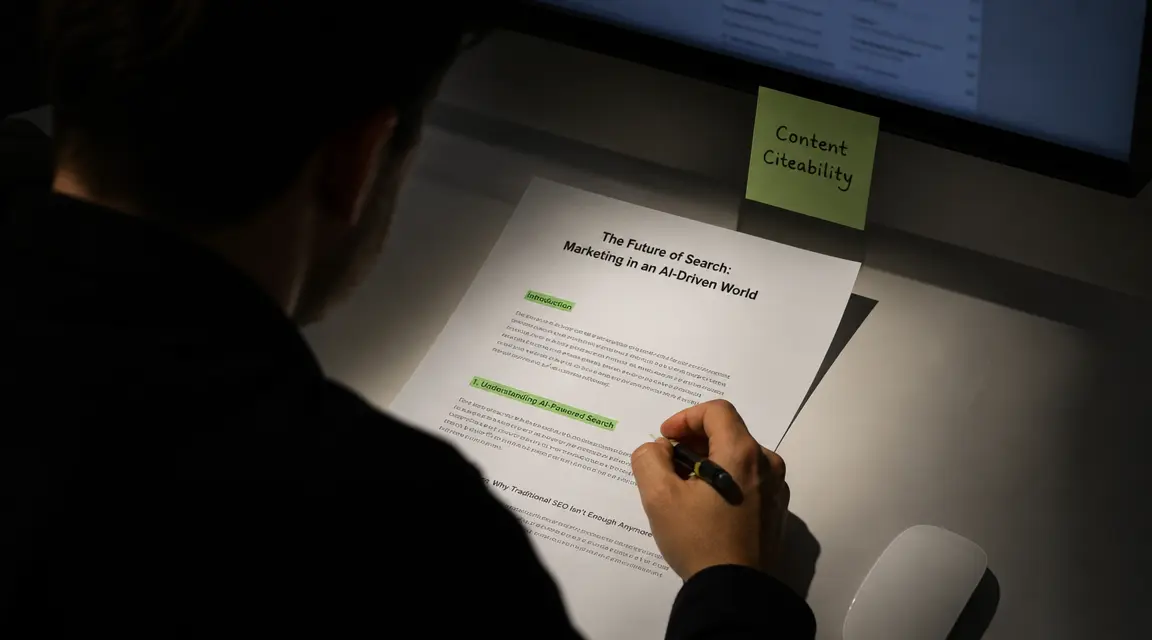
Blog posts make up 42% of all citations in AI Overviews. “What is” and “Best” titles that include the year perform best. We designed a title with the year for a real estate client. The article citation rate increased by a very large percentage. Clear titles help language models understand your content. Avoid vague or poetic titles in articles.
FAQ Sections and Structured Data Markup
Adding FAQ sections significantly increases appearance rates. Structured markup boosts chances in answer engines. Markup is not mandatory but gives you a technical advantage. Place FAQ sections at the end of articles always. Answer each question in two or three lines.
Building EEAT Signals On-Page: External Links, Statistics, and Dates
Author bios and update dates increase citations. External links and statistical data build language model trust. I added a detailed author bio to Hcouch Digital blog articles. We noticed increased citations for older technical articles. Cite trusted sources to boost your content’s credibility. Language models verify statistical data accuracy.
On-page optimizations alone are not enough without off-site authority building.
Off-Site Strategy: YouTube and Reddit as Hidden Drivers for Brand Visibility
YouTube: 61% of Citations Come From AI Overviews
Comparison videos and tutorials dominate YouTube citations in AI Overviews. Add timestamps and detailed descriptions to help language models. Speak clearly in the first minutes of your video. Spoken text helps algorithms index your content.
Reddit: The Top External Source, Focus on Posts Not Comments
AI prefers original posts over casual comments. Focus on “best of,” “alternatives,” and “user opinions” content. I ran a campaign for a startup brand on Reddit. We posted real experiences about accounting software alternatives. AI Overviews cited our post as a primary, trusted reference. Engage with communities honestly without excessive promotion. Users spot fake accounts and ignore them quickly.
Building the Entity Map: How Signals Travel Across Platforms
Connect your brand presence across YouTube, Reddit, and industry publications. These links generate strong entity signals that search engines pick up. Use the same brand name everywhere. Consistency builds a strong, easily detectable digital identity.
Building these signals requires precise tools to measure actual impact.
Measuring and Diagnosing Impact Beyond Clicks: From Guessing to Clear Vision
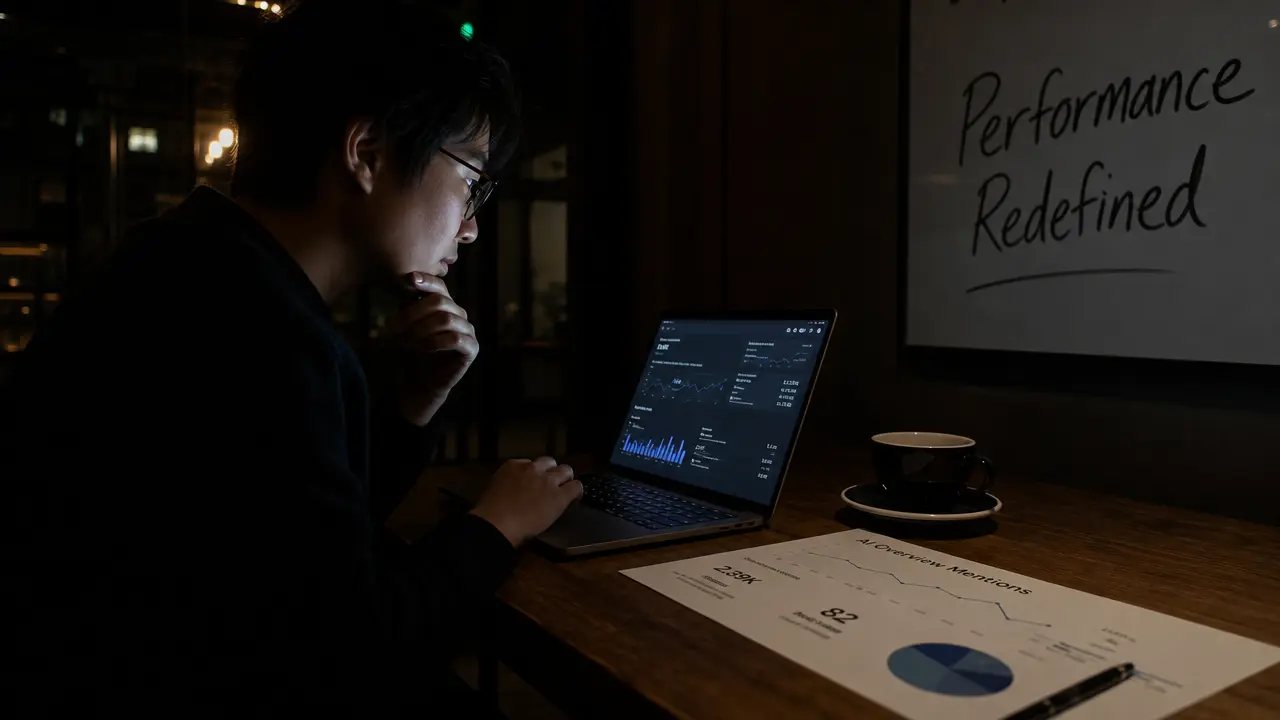
Why Google Search Console Does Not Provide Separate AI Overview Data
Search Console combines AI Overview data with SEO keywords. This forces you to use external tools like Ahrefs Brand Radar. These tools provide accurate visibility into your appearance position. Aggregated data hides missed opportunities from you. Specialized tools provide instant alerts when you get cited.
Tracking Visibility Across Answer Engines: A Unified Dashboard
Build a report that tracks your appearance in Google, ChatGPT, and Perplexity. This helps you identify visibility leaks with extreme precision. I used Otterly to monitor a client’s appearance in Perplexity. We discovered competitors were capturing AI answers. We adjusted our content strategy and closed that gap quickly. Review your dashboard every morning before starting work. Early gap discovery gives you an edge over competitors.
How to Explain Impact to Executives: From Clicks to Share of Voice
Reframe the challenge as an opportunity to win mindshare. Show statistics that LLM visitors convert higher than traditional visitors. Present share of voice reports instead of click reports. Executives only care about return on investment. Connect share of voice to direct revenue increases.
This precise measurement opens the door to expanding visibility across other engines.
Beyond AI Overviews: Expanding Visibility Across All Answer Engines
Why You Should Not Stop at AI Overviews Alone
Google represents only part of the AI search landscape. You must broaden your lens to include ChatGPT, Perplexity, and other engines. Each platform has a slightly different algorithm. Diversification protects you from one platform’s updates.
Building a Unified Strategy for Answer Engines: From Search to Conversion
Leverage the differences between each smart engine’s citations. Plan content that succeeds and appears across all these platforms. We developed a comprehensive guide for a tourism sector client. The guide appeared in ChatGPT, Perplexity, and Google together. Client bookings increased by thirty percent within one month. Test your answers manually on these platforms. Notice the differences in each smart engine’s style.
The New Business Model: Your Brand as a Trusted Answer Creator
Redefine your role as a knowledge source even without clicks. Build sustainable revenue models in the zero-click era. Knowledge is the most valuable currency today. Share your expertise generously to build real authority.
This comprehensive shift requires a deeper understanding of the tools we use daily.
What Otterly Revealed After Fifty Answer Engine Optimization Projects
I used to rely on Search Console for everything. But AI Overviews hid critical data from me. I decided to try Otterly on five different projects. I discovered my competitors were getting cited from forums I did not know. I started monitoring off-site entity signals immediately. This tool completely changed how I measure campaign success. I recommend trying it to see the hidden gaps in your current strategy.
Conclusion
Clicks are no longer the only measure of your digital strategy’s success. Add an FAQ section to your most important article today. What tool are you currently using to track AI Overviews?
Discover more from أشكوش ديجيتال
Subscribe to get the latest posts sent to your email.
![ضاعف أرباح إعلانات Google Ads للفروع المتعددة [5 أسرار]](https://hcouchd.com/wp-content/uploads/2026/09/file_0000000060c081f58e0e7cfa4922ea6d-1024x576.webp)